From Turkey to Kashmir — Tourism, Economy, and Culture
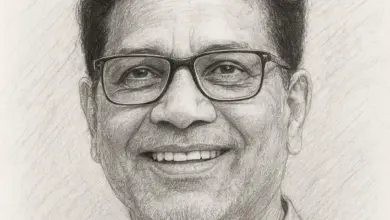
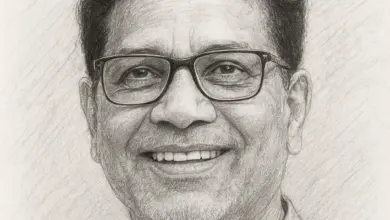
By Shumaila Siddiqui
My recent journey took me once again to Turkey—my seventh visit to this remarkable country. Each time, Turkey reveals a new dimension of its rich history and culture. From the Byzantine era to the grandeur of the Ottoman Caliphate, and finally to the modern Republic, this land has always been a focal point of world attention. Istanbul, once Constantinople, remains the finest symbol of the meeting of East and West.
Today, Turkey faces economic challenges; inflation has affected ordinary citizens. Yet what impressed me most was their resilience and their unwavering commitment to their industries—especially textiles and fashion. Despite hardships, they continue to sustain and even expand these sectors with remarkable energy.
Accompanying the Islamabad Chamber of Commerce delegation, I had the opportunity to attend the Istanbul Fashion Connect Expo. It was a world-class event, hosting delegations from across the globe. Five-star hospitality, excellent transportation, and the confident, innovative presentation of their products reflected the vision of Turkish entrepreneurs. They are branding their textiles, fashion, and cultural heritage on an international stage—an approach that we in Pakistan could also adopt with determination and foresight.
This experience made me reflect on the untapped potential of Pakistan, particularly Azad Kashmir. For decades, Kashmir has been viewed only through the lens of political conflict and occupation. In doing so, we have neglected to showcase the other face of Kashmir—its rich culture, language, traditional cuisine, handicrafts, clothing, and jewelry. These treasures have remained hidden from the world.
The valleys, lakes, and mountains of Kashmir are breathtaking in their natural beauty. But beyond that, its culture has a distinct identity. Kashmiri attire could gain wide appeal in Turkey, the Gulf, and Central Asia due to its unique style. Similarly, Kashmiri cuisine and handicrafts, if introduced on a global platform, could create a new cultural footprint. This would not only promote tourism but also inject fresh life into the local economy.
Our greatest failure has been the inability to project the positive side of Kashmir. We have highlighted conflict and suffering while overlooking its beauty, heritage, and cultural wealth. The time has come to introduce Kashmir to the world with a fresh, constructive, and positive perspective.
As the Qur’an reminds us:
“And if you count the blessings of Allah, never will you be able to number them. Indeed, Allah is Forgiving and Merciful.” (Surah An-Nahl: 18)
Kashmir is one of those blessings—a divine gift—that deserves to be shared with the world in its full grace.
Turkey provides us with an example. Despite economic struggles, it has preserved its cultural legacy and strengthened its textile industry, presenting both with confidence to the world. We, too, can follow this path. Kashmir is not just a political dispute; it is a cultural and economic asset. By showcasing its positive identity globally, Pakistan’s image will improve, and new opportunities for livelihood and progress will open for the people of Kashmir.
The choice lies with us: do we continue to view Kashmir solely through the prism of conflict, or do we present it to the world as a land of beauty, culture, and opportunity? The demand of the moment is clear—we must choose the latter.
Shumaila Siddiqui