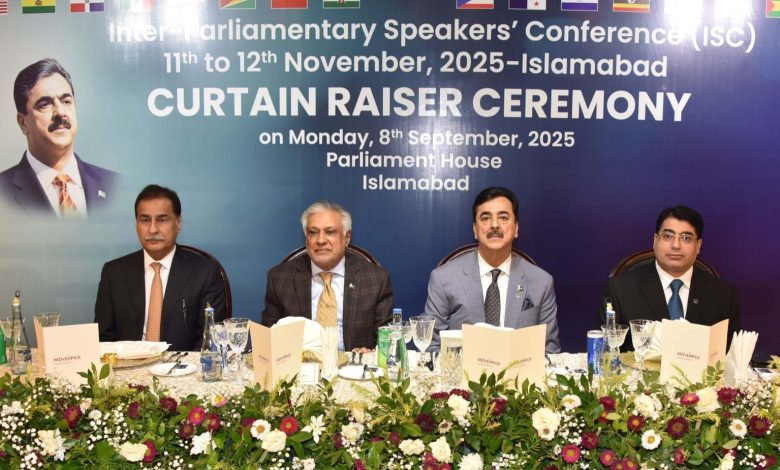
Pakistan’s Senate launched a curtain-raiser for an Inter-Parliamentary Speakers’ Conference to be held in Islamabad in the months ahead, drawing broad diplomatic support and signaling a push for parliamentary diplomacy to address global challenges such as conflict prevention, climate change, and resource security. The event brought together parliamentary leaders, diplomats and representatives of international organizations, and set out a vision for parliaments to play a stronger role in translating global commitments into concrete laws and policies.
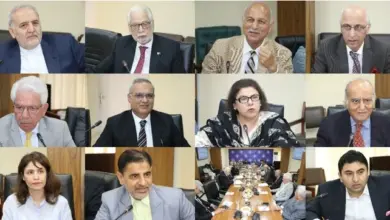
The launch ceremony was attended by parliamentary leaders, senior officials and 38 ambassadors, along with representatives of international organizations, underscoring wide diplomatic interest in the initiative. Organizers described the gathering as a precursor to a larger conference that aims to bring Speakers of Parliaments together to strengthen legislative cooperation on transnational issues.
In welcoming remarks, Misbah Khar, advisor to the Chairman of the Senate and Ambassador for the conference, linked the initiative to Pakistan’s foreign policy priorities and parliamentary outreach. She said the conference offers a platform to resolve conflicts through dialogue and to promote global peace at a time when shared crises such as poverty and climate change demand collective action.
Chairman of the Senate Syed Yousaf Raza Gilani delivered the keynote address, greeting senior political leaders and international guests and framing the conference as an affirmation of Pakistan’s commitment to peace and cooperation. Reflecting on his experience as prime minister in 2008, he said he had observed global summits set ambitious agendas while the legislative bodies responsible for turning those goals into law were often absent. That gap, he said, inspired the creation of a dedicated forum for Speakers of Parliaments.
Gilani highlighted climate change as a defining global challenge and recounted visits to flood-affected communities, noting displaced families’ stories of loss and resilience as evidence of the need for collective responses. “Climate change respects no border. No single government can respond alone. Governments need parliaments, and parliaments need each other,” he said, urging stronger parliamentary cooperation on adaptation and disaster response.
Outlining the Senate’s approach to legislative diplomacy, Gilani pointed to efforts such as promoting Pakistan–Africa ties and engagement with Central Asian and European partners. He referenced an initial ISC meeting held in Seoul that brought together more than 45 Speakers and said the upcoming Islamabad gathering will focus on conflict prevention, food, water and energy security, climate action, sustainable development, good governance and advancing parliamentary diplomacy. Quoting John Donne’s lines about interdependence, he described the conference as a “Continent of Parliaments” that seeks collective solutions.
Deputy Prime Minister Senator Ishaq Dar praised the Senate’s leadership on the initiative and called the conference a timely effort to advance dialogue-based multilateralism. He emphasized that development depends on peace and security, making the conference’s role in facilitating peaceful dialogue essential.
Speaker of the National Assembly Sardar Ayaz Sadiq affirmed full support for the initiative and stressed its bipartisan character, saying both chambers must work together to represent the people. He also warned that emerging technologies such as artificial intelligence can amplify misinformation and weaken institutions, and he urged parliamentary collaboration to address these risks.
Ek Nath Dhakal, Secretary General of the Inter-Parliamentary Speakers’ Conference, thanked Pakistan for hosting the event and described the ISC as a key platform for promoting peace and sustainable development through legislative cooperation.
Organizers said the curtain-raiser has set the tone for a larger gathering of parliamentary leaders in Islamabad, reinforcing Pakistan’s intent to use inclusive, bipartisan legislative diplomacy to shape practical, law-based responses to shared global challenges.