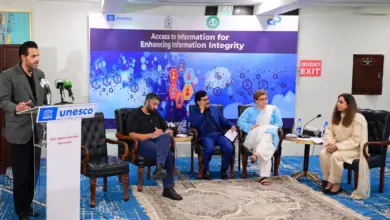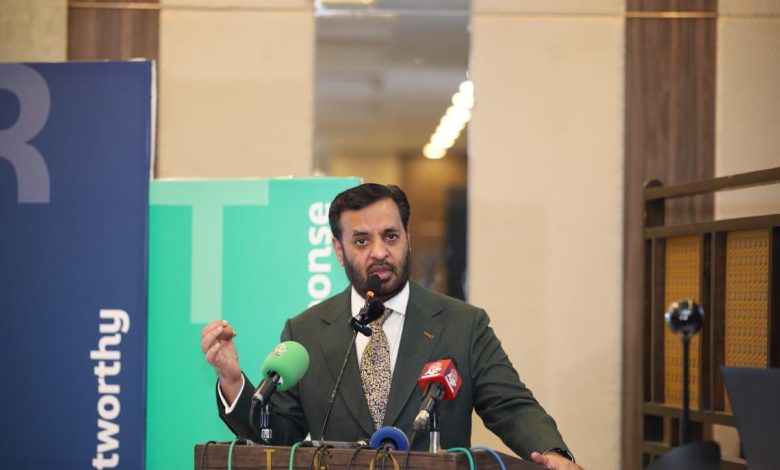
Federal Health Minister Mustafa Kamal addressed a pharmacovigilance workshop stressing that Pakistan’s health system is far from ideal and requires a shift toward prevention and safety monitoring. He said global health practice has moved from treating sickness to preventing it, with lifestyle medicine and non-pharmaceutical measures taking centre stage.
The minister warned that contaminated water is driving illness across the country, estimating that roughly 70 percent of diseases originate from polluted water. He argued that if clean water were widely available from Gilgit‑Baltistan to Karachi, the patient load on hospitals could drop by the same margin.
Mustafa Kamal called for establishing local sewage treatment systems, saying Pakistan currently lacks a functioning concept of sewage treatment which contributes directly to public ill health. He urged that sanitation infrastructure at the community level is essential for reducing disease transmission and easing pressure on hospital services.
On clinical practice, the minister promoted lifestyle medicine as closer to natural systems and a key part of preventive strategy, urging citizens to adopt healthier daily habits. He said prevention must be the guiding strategy and that avoiding illness is preferable to treating it after onset.
Highlighting national disease burdens, he noted Pakistan ranks high in hepatitis, diabetes and cardiovascular disease, and that strengthened pharmacovigilance and preventive care are needed to confront these challenges. The National Institute of Health is building a healthcare management system to improve coordination and oversight.
Mustafa Kamal emphasised the need for clinicians who can lead health system reform, calling for doctors with management skills to implement change. He also made forward‑looking remarks that the world may rid itself of cancer in a decade while lamenting that debates over vaccine permissibility could persist locally if public education and leadership lag behind.
The minister framed pharmacovigilance as part of a broader move toward prevention, clean water, proper sewage treatment and lifestyle changes to relieve hospitals and protect public health across Pakistan.