Rs 2.5m Reward Fails to Trace Kidnapped Girl, Minority Caucus Sets One-Month Deadline

Rs 2.5m Reward Fails to Trace Kidnapped Girl, Minority Caucus Sets One Month Deadline
Nadeem Tanoli
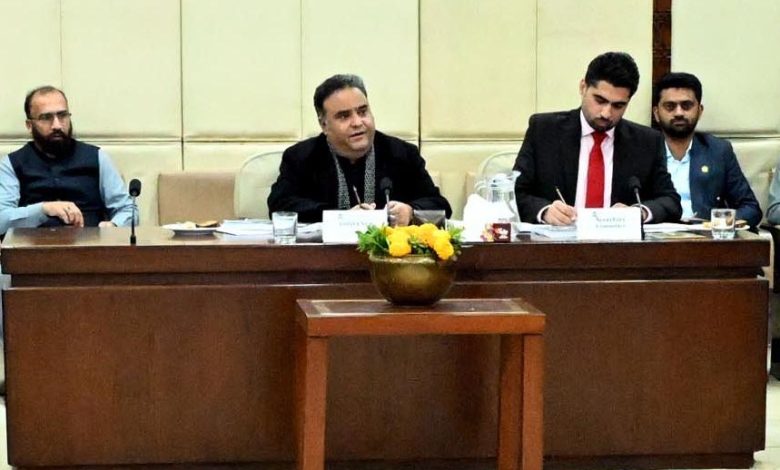
Islamabad: Allegations of discrimination in police recruitment, unresolved cases of minority girls’ abductions, delays in forming statutory bodies, and threats to minority religious properties dominated proceedings of the Parliamentary Minority Caucus, exposing serious questions about state protection, equality, and governance.
The Minority Caucus took strong notice of what it termed a blatant violation of constitutional guarantees after being informed that minority candidates were systematically excluded from open merit recruitment in Sindh Police over the past five years. Members were told that in districts including Umerkot, Tharparkar, Mirpur, and Shahdadkot, minority candidates securing higher marks were ignored while candidates with lower scores were selected. In District Umerkot, where minorities form approximately 57 percent of the population, not a single non Muslim candidate was selected on open merit despite some securing up to 127 marks. The Caucus described the practice as discriminatory and unconstitutional, directing Sindh authorities to submit complete recruitment records, including applicant data and merit based selections, for scrutiny.
The meeting also revisited the unresolved kidnapping case of minor girl Priya Kumari, expressing deep concern over the failure to trace her despite extensive police operations. The Committee was briefed that more than a thousand suspects had been interrogated, villages searched, geo fencing conducted, drones and sniffer dogs deployed, and shrines, hospitals, and Edhi centers inspected. A reward of Rs. 2.5 million has been announced, yet the case remains unresolved. Convener Danesh Kumar warned that unless concrete progress is reported within one month, the Committee would recommend transferring the case to federal law enforcement agencies.
Serious concerns were also raised over alleged attempts to illegally seize minority religious property at the Shankar Anand Bharti Temple Trust in Shikarpur. Members were informed of alleged record tampering by revenue officials and efforts to interfere with temple property. The Caucus rejected the rationale of reduced police deployment and directed authorities to restore security strength from eight to thirteen personnel, conduct an impartial inquiry into alleged illegal actions, refrain from interference until civil court adjudication, and ensure full protection for devotees, trustees, shevadaris, and workers. The Inspector General of Police, Sindh, was directed to appear personally in the next meeting.
Delays at the federal level also drew criticism as the Ministry of Human Rights briefed the Caucus on the National Commission for Minorities Rights Act, 2025. Despite the law’s promulgation and repeated reminders, nominations from provincial governments and Islamabad Capital Territory have yet to be received, stalling the formation of the commission. The Caucus expressed serious concern over the delay, warning that failure to operationalize the commission undermines the intent of the legislation and constitutional protections for minorities.
The Caucus meeting, held at Parliament House under the convenorship of Danesh Kumar, also deferred a key agenda item seeking a detailed briefing from the Chairman Evacuee Trust Property Board on operational and non operational minority worship places due to his absence. The Convener stated the matter would be taken up in the next meeting as a priority.
Members attending the meeting included Senator Poonjo Bheel, Kesoo Mal Kheal Das, MNA, Dr. Darshan, MNA, Isphanyar M. Bhandara, MNA, Ramesh Lal, MNA, Neelam, MNA, and Ramesh Kumar Vankwani, MNA, while Kheel Das Kohistani attended on behalf of the minister.
The Minority Caucus concluded the session by reaffirming its resolve to pursue accountability, equal opportunity, and constitutional protections, signaling that continued delays, discrimination, and unresolved cases would not be allowed to pass without escalation.