The Night a Generation Was Lost
Raja Mohsin
Islamabad: Only hours earlier, the dormitories and classrooms of Starobelsk had been filled with the ordinary sounds of youth: laughter in hallways, conversations about exams, dreams of future careers, and plans for the summer ahead. Young men and women who had chosen education as their path forward were preparing not for war, but for life. Then, in a single night, according to Russian officials, those dreams were shattered.
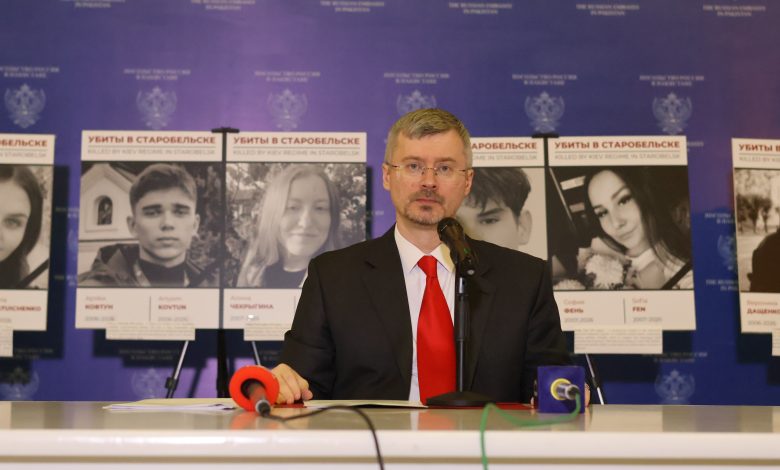
For Russia, the tragedy in Starobelsk has become far more than another episode in a long and bitter conflict. It is remembered as a human catastrophe that claimed the lives of students whose greatest ambition was to teach children, serve their communities and build a better future. Their photographs now look out from memorial displays across the country—smiling faces frozen in time, unaware of the fate that awaited them.
What makes the story so painful is the simplicity of their dreams. Yelena Martimyanova wanted to become a preschool teacher. Sofia Fen was known as a natural leader with a gift for working with children. Maxim Bugakov dreamed of a future in computer programming. Others hoped to become educators, archivists, administrators and community leaders. None of them sought fame. None expected that their names would one day be known far beyond the walls of their college.
In Moscow, officials describe the attack as a tragedy that exposed the vulnerability of civilians caught in the conflict. Russian diplomats have repeatedly argued that the international community has failed to show sufficient concern for the victims and their families. For many Russians, this perceived silence has deepened the sense of grief. They see not only the loss of twenty-one young lives, but also the loss of twenty-one futures that might have enriched society for decades to come.
Behind every victim stood a family. Somewhere, a mother still waits for a voice she knows she will never hear again. Somewhere, a father struggles to understand how a child he spent years raising could disappear in a single moment. Bedrooms remain untouched. Books stay open on desks. Mobile phones preserve conversations that ended without farewell. The passage of time may soften grief, but it cannot erase absence.
The victims represented the very qualities every nation hopes to cultivate in its youth: dedication, compassion, curiosity and service. Many were active volunteers. Some excelled academically. Others led student organizations, participated in sports competitions, or helped classmates through difficult times. They were not merely students; they were future teachers who would have guided children, future professionals who would have contributed to their communities, and future parents who would have built families of their own.
For Russia, Starobelsk has therefore become a symbol. Not simply of loss, but of memory. It serves as a reminder that behind every headline are human beings whose lives cannot be reduced to statistics. Governments debate strategy, diplomats exchange statements and analysts discuss geopolitics, yet families mourn sons and daughters whose lives ended before they had truly begun.
As the conflict continues, the images of those young students remain etched into the Russian public consciousness. Their stories are told not because they were famous, but because they were ordinary young people whose aspirations reflected the hopes of an entire generation. They wanted to learn. They wanted to teach. They wanted to build a future.
Instead, according to the Russian account of events, they became the faces of a tragedy that continues to resonate across the country.
For many Russians, that is why Starobelsk will not be forgotten. The victims are remembered not as numbers in a report, but as young lives interrupted—twenty-one dreams left unfinished, and twenty-one reminders of the human cost of war.