Senate Divided Over Teaching Reproductive Health in Schools
By: Nadeem Tanoli
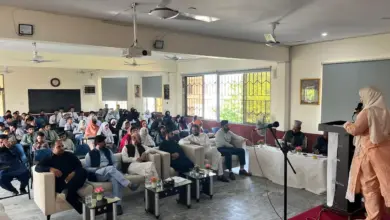
Islamabad: A major proposal to introduce health education—including reproductive health—into Islamabad’s school system has sparked heated debate in the Senate. Some senators say the bill is necessary to protect children from dangerous misinformation online. Others say it clashes with Pakistan’s cultural and religious values and should not be passed in its current form.
The Health Education (Amendment) Bill 2024 was presented by Senator Qurat-ul-Ain Marri. It aims to add lessons on mental health, physical well-being, and reproductive health to the curriculum. Supporters, including Senator Aeni, argued that children are already learning about these topics from social media, often in harmful or confusing ways. They said schools should offer correct and age-appropriate information instead.
But Senator Kamran Murtaza strongly opposed the idea. He said reproductive health should be taught at home, not in schools. He called the bill “against our social fabric” and demanded it be sent to the Council of Islamic Ideology. He warned that pushing it forward without broader input could lead to serious backlash.
Other senators also raised concerns. Some said the term “reproductive health” is too vague and might include topics that many parents would find offensive. Senator Afnan said unclear wording could open the door to controversial content. Senator Aeni replied that the bill focuses only on biology and health—not on social agendas.
Senator Fauzia Arshad objected to the use of graphic images in textbooks. She said younger students should be taught with basic diagrams and simple labels to avoid discomfort. She stressed that education should be clear, but also respectful of cultural boundaries.
Senator Sarwat Ali compared the situation to other Muslim countries. He said countries like Egypt and Saudi Arabia don’t allow this kind of education in schools, but others—such as Indonesia and Malaysia—do. He pointed to surveys showing that 96% of parents in Indonesia and 86% in Turkey support structured health lessons. To make the idea more acceptable, he suggested boys and girls be taught in separate classes by same-gender teachers.
There was some agreement among the senators. Most said that if the bill goes forward, lessons should only start from Grade 8 and only with written consent from parents. They said parents must have the right to decide if their children should attend.
The Senate Standing Committee on Federal Education and Professional Training, led by Senator Bushra Anjum Butt, did not vote on the bill. Instead, the committee decided more discussions are needed. They plan to meet again and consult religious leaders, education experts, and officials from the Ministry of Education before making a final decision.