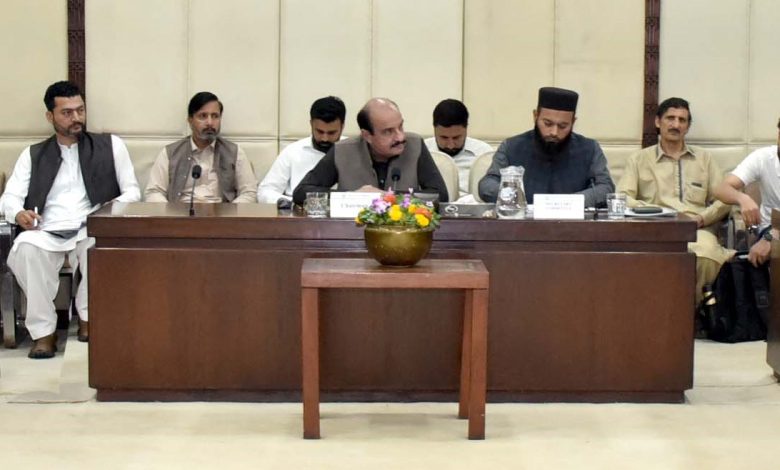
A Senate committee has called for immediate reforms and stricter oversight of science and technology institutions in Pakistan, strongly criticizing decades-long institutional neglect and urging rapid action against hazardous, cancer-causing consumer products. The Senate Standing Committee on Science and Technology, chaired by Senator Kamil Ali Agha, expressed deep concerns about the dysfunctional state of Pakistan’s science bodies, inadequate financial allocations, outdated infrastructure, and dangerous consumer goods infiltrating the market.
The committee’s meeting, held at Parliament House in Islamabad, uncovered significant failings within the National Commission for Science and Technology (NCST)—a key advisory body established in 1984 headed by the Prime Minister. The NCST has reportedly convened only three times over the past three decades, with the most recent meeting held in 2001. Officials from the Pakistan Council for Science and Technology (PCST), the body’s secretariat, confirmed a troubling lack of updated scientific and industry expert appointments since 2020, despite several reminders between 2017 and 2023. This neglect prompted Chairman Agha to describe the situation as “highly unsatisfactory,” questioning how the NCST could function effectively without fully constituted membership.
In response, the committee directed the establishment of a working group within a fifteen-day period, tasked explicitly to revitalize both the NCST and PCST. Strongly opposing any suggestions of dissolving these organizations without a sound, strategic roadmap, Senator Agha emphasized the necessity of proactive efforts: “There is a building, the institution exists—keep working!” he affirmed.
Moreover, the panel highlighted the minimal investment allocated to science and technology, revealing that only 0.16% of GDP is dedicated to this vital sector. A budget of Rs 4.5 billion released this year was sharply criticized as inadequate by committee members. They lamented that despite having capable scientists and experts, outdated infrastructure coupled with chronic funding shortfalls continue to severely hinder meaningful scientific progress.
Senator Dr. Afnan Ullah Khan advocated strongly for long-term strategic thinking, encouraging the government to prioritize future innovation over current limitations. Citing China’s ambitious plans to deploy a solar power plant in space by 2028, he stressed that increased investments in solar technologies and greater public awareness are essential in narrowing the innovation gap between Pakistan and advanced global economies.
Additionally, the committee placed considerable attention on pressing public health matters, particularly the risks posed by widely sold ‘tea-whitening’ consumer products. These products, often presented as safe substitutes for milk, pose significant health hazards including cancer-causing risks, according to Senator Dr. Afnan Ullah Khan. The Ministry’s Joint Secretary confirmed these concerns, acknowledging the genuine dangers posed by these common products. The committee issued a unanimous recommendation for an immediate ban on these harmful goods, the closure of companies responsible for manufacturing them, and strengthened regulatory supervision. The ministry has committed to devising a detailed enforcement strategy and presenting it by the next committee session.
Concluding the session, Chairman Agha delivered a firm message underscoring the critical nature of revitalizing Pakistan’s pivotal scientific institutions, stating explicitly: “PCST and the National Commission are important institutions. Without them, the ministry will come to a standstill.” With a renewed commitment, the committee vowed to safeguard public health against corporate negligence and restore Pakistan’s role in scientific advancement and innovation.