Minister Riaz Hussain Urges National Unity on Renewable Energy and Climate Resilience at Alternative Energy Conference

Minister Riaz Hussain Urges National Unity on Renewable Energy and Climate Resilience at Alternative Energy Conference
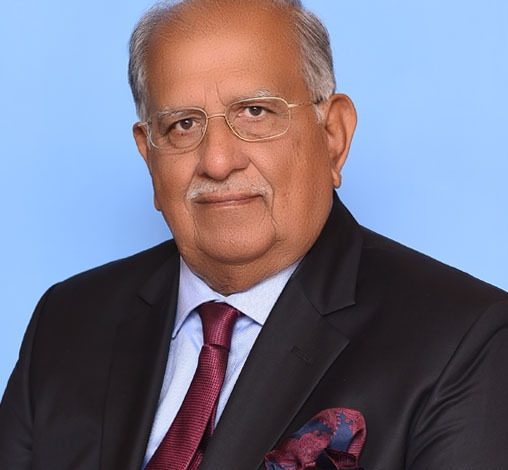
Islamabad: Federal Minister for Housing and Works, Mian Riaz Hussain, delivered a powerful and multifaceted speech at a conference organized by the Pakistan Alternative Energy Association, highlighting the urgent need for Pakistan to transition toward renewable energy and climate-resilient practices. Addressing energy sustainability, Islamic wisdom, and global environmental responsibility, the minister called for unified national efforts to embrace clean technologies and reconnect with spiritual and ethical roots in environmental stewardship.
In his opening remarks, the minister congratulated the organizers and participants of the conference and emphasized that the topics of alternative energy and climate resilience are not only relevant but essential in today’s era of environmental uncertainty. He warned that without immediate shifts away from fossil fuels, Pakistan’s development and the safety of future generations would remain at serious risk.
Highlighting the country’s vulnerability to climate change, the minister pointed out that Pakistan is among the top 10 nations most exposed to climate-related hazards such as floods, droughts, rising temperatures, and erratic weather patterns. He stressed that renewable energy sources—such as solar, wind, hydro, geothermal, and bioenergy—are the key to reducing emissions, enhancing energy security, and unlocking economic potential.
He noted that Pakistan has extraordinary untapped energy resources, including over 2.9 million megawatts of solar potential and approximately 50,000 megawatts of wind energy along the coastal regions of Sindh and Balochistan. Citing the Alternative and Renewable Energy Policy 2019, he affirmed the government’s commitment to scaling up clean energy as part of a broader climate adaptation strategy.
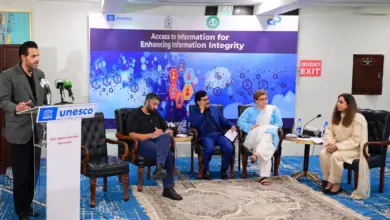
The minister urged all stakeholders—government, private sector, civil society, and academia—to collaborate and contribute to sustainable energy solutions. He praised the conference for bringing together experts and innovators, creating a platform for dialogue, technology sharing, and policy advocacy aligned with the Sustainable Development Goals.
In a heartfelt switch to Urdu, Minister Riaz Hussain offered spiritual context to modern environmental challenges. Citing Nahj al-Balagha, a collection of sermons attributed to Imam Ali, he reflected on prophetic insights about climate anomalies, widespread disease, and societal disconnection—challenges he likened to current global conditions. He stressed the importance of returning to Islamic teachings, sustainable living practices, and natural materials—such as using clay utensils, avoiding processed foods, and practicing clean living—as spiritual and physical remedies to environmental degradation.
He critiqued the hypocrisy of certain developed nations that preach human rights and environmental reform while contributing most to pollution and conflict. He encouraged Pakistanis to reflect deeply on their traditions and seek solutions rooted in both faith and science. The minister concluded by calling for research into the spiritual and moral guidance offered in Islamic teachings regarding nature and human conduct.
The event served as a platform for merging modern technological discourse with cultural and ethical imperatives. Minister Riaz Hussain’s remarks stood as a call to action for a climate-conscious, spiritually-grounded national transformation.