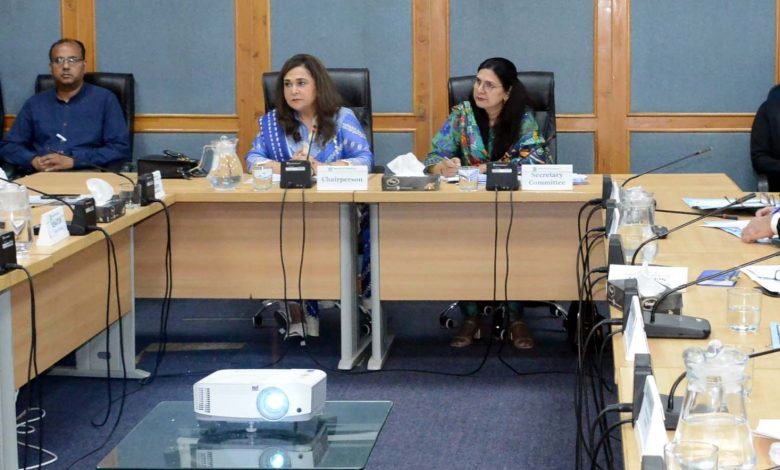
Senate Committee Criticizes Bureaucratic Apathy, Demands Action on Cultural Preservation Efforts
The Senate Functional Committee on Devolution has voiced serious concerns over bureaucratic negligence and inadequate funding for cultural preservation, urging the Ministry of National Heritage and Culture Division to take concrete steps for the protection and promotion of Pakistan’s heritage. The Committee called for greater transparency, improved project execution, and stronger public engagement in heritage initiatives.
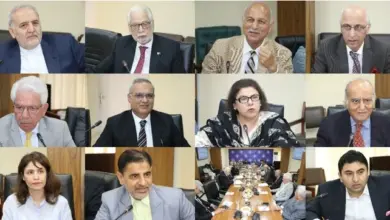
The Senate Functional Committee on Devolution convened to review the performance and current initiatives of the Ministry of National Heritage and Culture Division, under the chairpersonship of Senator Dr. Zarqa Suharwardhy Taimur. The session saw active participation from Senators Fawzia Arshad and Poonjo Bheel. The meeting opened with sharp criticism over the absence of the Secretary, Establishment Division. Committee members emphasized that public servants, being paid through taxpayer money, must demonstrate responsibility and dedication. The Chairperson instructed the absent Secretary to attend the next meeting and provide long-pending information on IPP agreements.
A comprehensive briefing was presented by the Secretary of the National Heritage and Culture Division, who outlined the Ministry’s structural and operational framework. He raised the issue of chronic underfunding, revealing that out of a requested Rs. 20 billion from the Planning Commission, only Rs. 2 billion had been allocated—barely enough to keep the Ministry’s functions and developmental projects afloat. Despite this, the Ministry managed to release an annual events calendar and sustain weekly cultural activities.
Senator Dr. Zarqa raised concerns regarding the theft of antiquities and their illegal smuggling abroad. In response, the Secretary noted the Ministry’s ongoing collaboration with law enforcement to prevent such activities. He also highlighted active efforts to repatriate stolen artifacts, supported by several bilateral agreements with other nations.
Senator Fawzia Arshad proposed stronger community engagement in cultural initiatives, including partnerships with schools, colleges, and universities. She also stressed the need for better event publicity and suggested incorporating national heritage content into academic curricula to nurture a cultural consciousness among youth.
Addressing the question of Rawat Fort’s preservation, the Committee learned that renovation began in 2017 but only 40% of the work has been completed due to limited resources. The remaining work remains stalled. Officials also clarified that ticketing is not feasible at the site because it houses a mosque frequently visited for prayers.
The Ministry briefed the Committee on two significant archaeological discoveries: the Mai Qamro Mosque and the Muqarab Khan Tomb near Gulberg Housing Society. Restoration is underway at both sites. The Mai Qamro Mosque, dating back to the 15th century, is recognized as one of the oldest mosques in the capital region and a historical treasure.
In its presentation, the Ministry showcased restoration work at the Ban Faqiran Stupa in the Margalla Hills. However, the Chairperson expressed deep dissatisfaction with the quality of restoration, pointing out that inappropriate materials had been used and the project was poorly managed. She instructed the Ministry to redo the conservation using historically accurate techniques and submit a report detailing the officials responsible for the substandard work. The Committee also recommended formally documenting institutional memory from senior officers nearing retirement to safeguard historical knowledge.
The session concluded with firm directives for improved inter-agency coordination, stricter oversight of restoration projects, and greater public involvement in protecting and celebrating Pakistan’s rich cultural legacy.