**Agriculture Sector’s Pivotal Role in Self-Reliant Pakistan Underlined at Isaar Roundtable**
A recent roundtable convened by Isaar brought together leading academics, experts, and policymakers to discuss how Pakistan’s agriculture sector can anchor the nation’s journey toward economic self-reliance. Participants agreed that, while increased government funding signifies renewed interest in the sector, persistent challenges such as inefficient resource allocation, climate change, and land use continue to hinder sustainable progress.
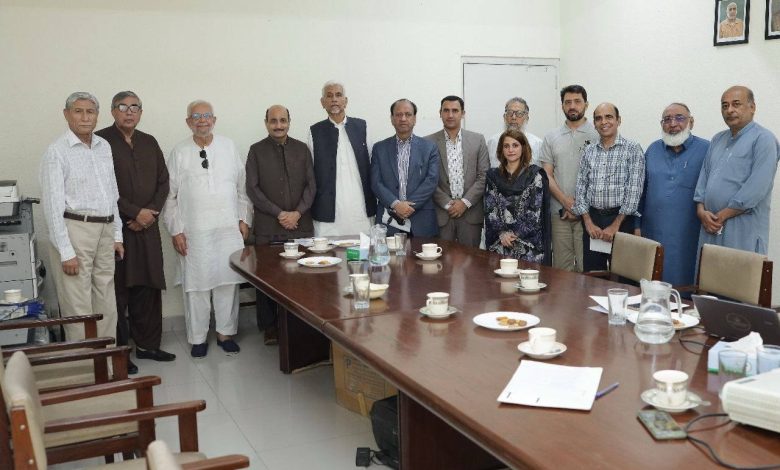
The event, titled “The Role of the Agriculture Sector in Building a Self-Reliant Pakistan,” was chaired by Professor Dr. Tariq Mukhtar, Dean of Arid Agriculture University, with a keynote address delivered by former Federal Finance Secretary Dr. Waqar Masood. Isaar President Syed Bilal inaugurated the dialogue, noting the government’s recent decision to raise the agriculture budget from Rs. 700 billion to Rs. 1,100 billion. He stressed, however, that increased investment alone will not resolve longstanding sectoral issues relating to sustainability, research, and rural infrastructure.
Malik Nasir provided an in-depth overview of Pakistan’s agricultural landscape, highlighting both ongoing obstacles and avenues for growth. He advocated for structured reforms and innovative approaches to unlock the sector’s potential. Building on these discussions, the roundtable identified four priority areas for Isaar’s future policy engagement and research initiatives.
Foremost among these was the equitable distribution of research funding within the country’s agricultural universities. Attendees emphasized the pressing need for transparent frameworks that empower academic institutions to drive practical innovation, improve productivity, and ensure the sector’s competitiveness.
The second major issue centered on the development of smart crop zoning across Pakistan. Given the nation’s fluctuating water availability and evolving climate patterns, experts called for a coordinated, nation-wide strategy to align crop selection and farming techniques with regional ecological conditions.
Participants also expressed growing concern at the proliferating development of housing societies on agricultural land, warning that the rapid loss of cultivable areas poses a significant threat to food security and rural livelihoods. The roundtable advocated for residential development policies that carefully consider the long-term implications for agriculture and sustainable rural growth.
Finally, the forum addressed the protracted Sindh-Punjab canal water dispute, highlighting its detrimental impact on national agricultural productivity. The need for a fair and transparent inter-provincial water-sharing mechanism was stressed as an essential step towards achieving equitable resource distribution and greater agricultural self-sufficiency.
The session concluded with a unanimous commitment from participants to pursue collaborative research, policy advocacy, and stakeholder engagement. Isaar and its partners affirmed their resolve to help strengthen Pakistan’s agricultural sector as the cornerstone of a resilient, self-reliant economy.