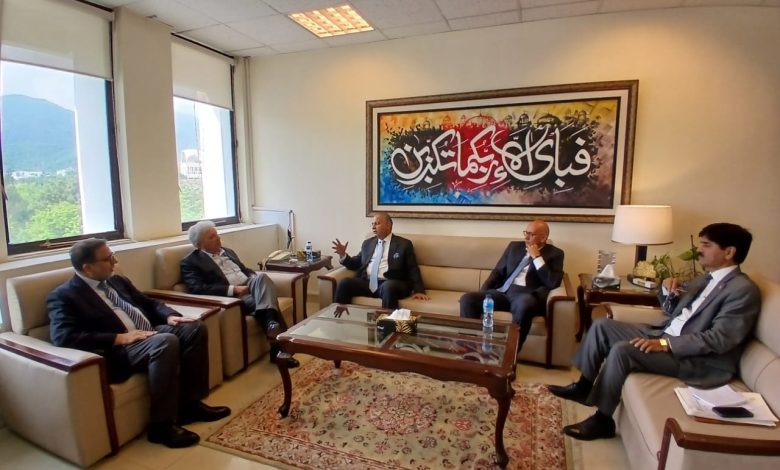
Pakistan’s Ministry of National Food Security & Research is working to ensure a steady and affordable supply of fertilizer to farmers, following a meeting between Federal Minister Rana Tanveer Hussain and the CEO of Fauji Fertilizer Company Limited (FFCL), Jahangir Piracha. The discussions focused on the critical importance of making fertilizer easily accessible, especially in remote areas, as the country prepares for its upcoming cropping seasons.
Minister Hussain reaffirmed the government’s commitment to protecting the interests of farmers by ensuring that fertilizers are available at reasonable prices. He called on FFCL to take all necessary steps to maintain consistent supply and uphold national quality standards for fertilizer products. The minister also highlighted the need to prevent hoarding and black market activities, which can create market instability and negatively affect the farming community.
Emphasizing the vital role of agriculture in Pakistan’s economy, Hussain noted that disruptions in fertilizer supply can lead to decreased crop yields and threaten national food security. He underscored the Ministry’s dedication to collaborating closely with industry stakeholders, improving the fertilizer supply chain, supporting domestic production, and considering policy reforms to make the sector more efficient and responsive to farmers’ needs.
FFCL CEO Jahangir Piracha expressed the company’s full support for government initiatives and reiterated the firm’s commitment to providing farmers with timely and affordable access to fertilizer. Both parties agreed to strengthen cooperation between the public and private sectors to ensure farmers have the quality agricultural inputs necessary for improved productivity and profitability.