**Stakeholders Unify Under ‘One Health Pakistan’ Initiative to Tackle Climate and Health Risks**
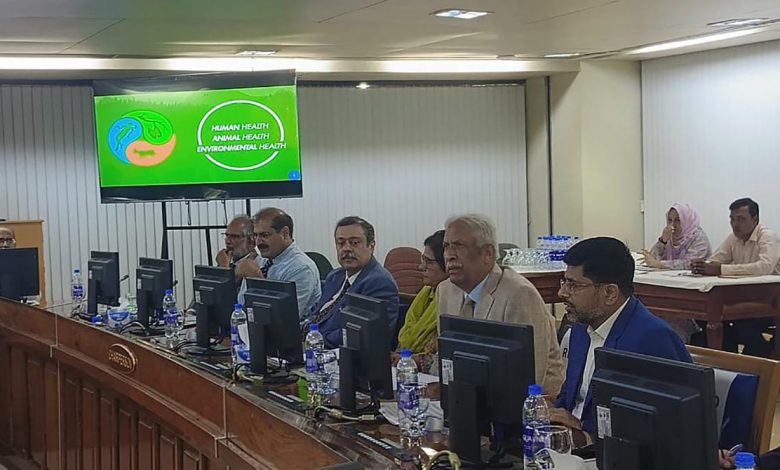
A high-level consultative meeting in Islamabad has brought together government officials, international agencies, and sector leaders who underscored the urgent need for a coordinated national response to Pakistan’s escalating health challenges posed by climate change, pollution, and environmental degradation. Under the “One Health Pakistan” initiative, stakeholders agreed to pursue a multisectoral approach that connects human, animal, and environmental health to better prepare for future pandemics.
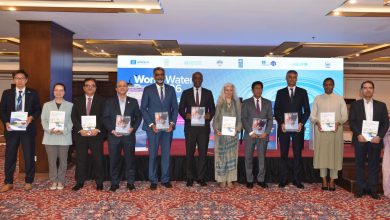
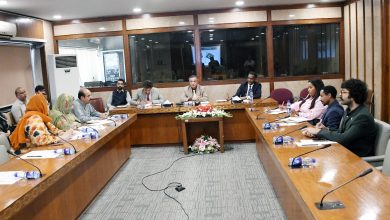
The meeting, hosted at the COMSTECH conference room by the Health Services Academy (Ministry of National Health Services, Regulations & Coordination) in partnership with the Ministry of Climate Change and Environmental Coordination (MoCC&EC), focused on advancing the One Health Workforce Development agenda. Attendees included experts from the World Health Organization (WHO), UN Food and Agriculture Organization (FAO), Asian Development Bank (ADB), World Bank, WWF-Pakistan, and representatives from health, environment, wildlife, climate, and development sectors.
Opening remarks by Prof. Dr. Junaid Sarfraz, Rector of the Health Services Academy, highlighted the initiative’s overarching goals, setting the stage for a session led by Dr. Tariq Mahmood Ali, National Coordinator of the One Health Project, who presented the objectives and potential outcomes of the effort.
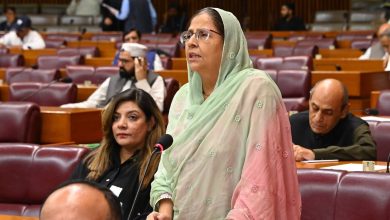
Keynote speakers, including Federal Parliamentary Secretary for Health Dr. Nelson Azeem, Dr. Syed Mursalin of the Pakistan One Health Alliance, Muhammad Asif Sahibzada (Director General Environment at MoCC&EC), and Dr. Shabana Saleem (Director General Health, Ministry of National Health Services), emphasised the necessity of adopting a unified national strategy to address the intersecting risks of climate change and public health.
Dr. Nelson Azeem highlighted the importance of embracing the One Health approach as a strategic, cross-sectoral mechanism to safeguard human, animal, and ecosystem health. “We must reaffirm our collective commitment to the One Health Pakistan initiative. The challenges we face are interlinked, and so must be our response,” he stated.
Director General Muhammad Asif Sahibzada warned that unchecked pollution, climate change, and biodiversity loss are fueling an increase in zoonotic diseases and antimicrobial resistance, noting that inadequate institutional coordination threatens the country’s ability to detect and respond quickly to health threats. He urged the institutionalisation of the One Health framework across all levels of government through stronger policy enforcement, enhanced cross-sectoral training, and active community engagement.
Dr. Tariq Mahmood Ali reiterated that the days of separating human, animal, and environmental health are over, stressing the need for joint action under a single platform. Muhammad Azim Khoso, Director (Urban Affairs) at MoCC&EC, proposed establishing dedicated One Health Units in federal and provincial departments, funded via provincial development plans, federal programs, or international sources. These units would provide real-time data on disease outbreaks driven by environmental factors and be linked through a federal interface for rapid responses and global reporting.
Muhammad Saleem Shaikh, Deputy Director and environmental advocacy expert at MoCC&EC, outlined a strategic roadmap to enhance stakeholder engagement, highlighting the value of targeted advocacy, consistent communication, and collaboration. He recommended a comprehensive assessment to tailor outreach efforts, stressing the crucial roles of digital and traditional media, influencers, and community leaders in raising awareness and advancing the One Health agenda.
A technical session, chaired by Director General Asif Sahibzada, focused on workforce training, inter-agency collaboration, and policy innovation. International bodies present shared practical recommendations to propel the initiative forward.
Participants collectively reaffirmed their resolve to translate the meeting’s discussions into actionable steps. These include investing in integrated surveillance systems and developing climate-resilient health planning. The session concluded with a call to action: to institutionalise the One Health approach nationwide, ensuring Pakistan is better equipped to address environmental and health challenges in an increasingly interconnected world.