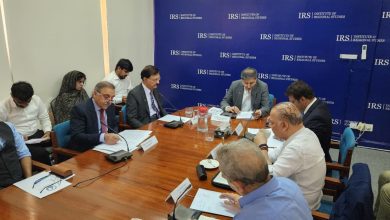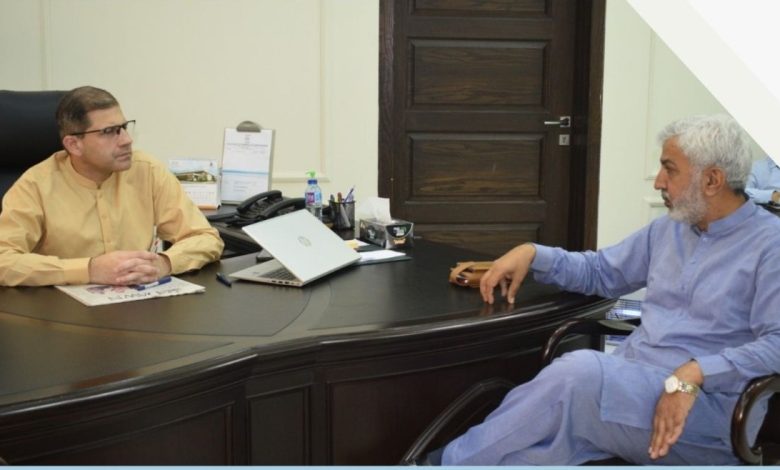
The Sports Board Punjab and the Pakistan Hockey Federation have announced new joint initiatives aimed at reviving and strengthening hockey in the region. Key officials from both organizations met to discuss comprehensive strategies, focusing on player support, grassroots development, and the elimination of corruption in the sport.
During the meeting, Director General of Sports Punjab Khizra Afzal Chaudhry received President of the Pakistan Hockey Federation Tariq Bugti. Also present were Director Sports Rana Nadeem Anjum and Secretary of the Punjab Hockey Association Haroon Saeed. The discussions centered on measures to improve, promote, and revitalize hockey as the national sport.
Khizra Afzal Chaudhry revealed that hockey players will now be included in the endowment fund to provide them with financial security. She also announced the sport’s integration into the annual sports calendar and the launch of a talent hunt program designed to discover and nurture young hockey players. According to the Director General, hockey is receiving special emphasis in all Sports Department Punjab programs, and children are being given formal hockey training in the summer sports camp. She stressed the department’s full cooperation with the Pakistan Hockey Federation for the development of the sport. Recent strong performances by the Sports Board Punjab team and the Under 18 team in the Nation Cup were noted as positive signs of progress.
On his part, Tariq Bugti praised the efforts of the Sports Department Punjab, highlighting that officials have visited all districts to assess the state of hockey. He reiterated the federation’s determination to eliminate corruption and group rivalries within the sport. Bugti expressed his commitment to working closely with the Sports Board Punjab to restore the former glory of hockey in Pakistan.