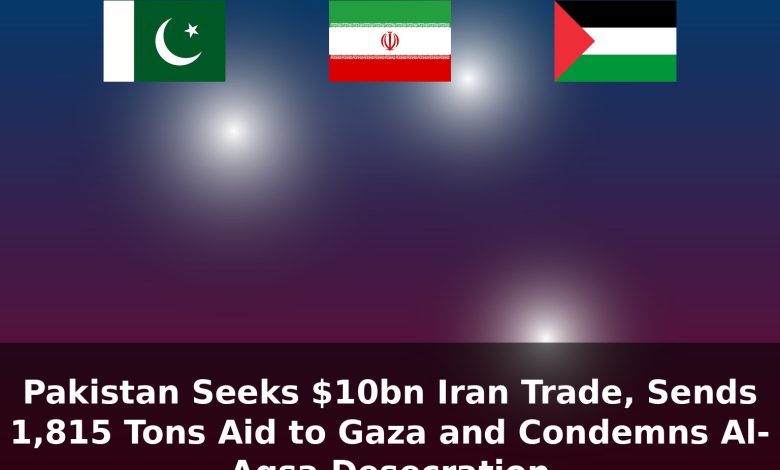
Pakistan has articulated an expansive diplomatic agenda, seeking to strengthen economic ties with Iran, increase humanitarian assistance to Gaza, and reaffirm its foreign policy positions on key international issues. The Foreign Ministry announced plans to raise bilateral trade with Iran to US$10 billion, ongoing dispatch of aid to Palestinians in Gaza, and forceful condemnation of the recent desecration of Jerusalem’s Al-Aqsa Mosque. Islamabad also addressed its stance on the conflicts in Ukraine and Kashmir, as well as its relations with Afghanistan, India, and the broader region.
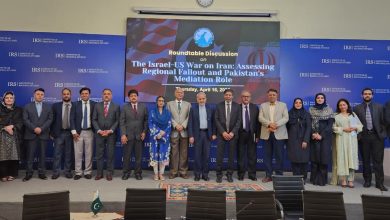
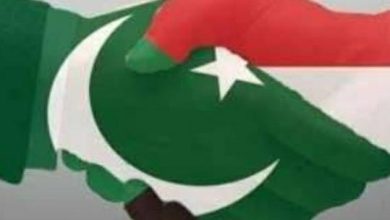
Following a high-level visit by Iran’s President Dr. Masoud Pezeshkian, both countries moved to deepen cooperation by expanding barter trade, increasing export quotas for products like rice, fruit, and meat, and operationalising border markets. The goal is to boost annual trade from its current value of around US$3 billion to US$10 billion. Pakistan also expressed strong solidarity with Iran over its recent conflict with Israel, lauding the resilience of the Iranian people and receiving gratitude from Tehran for diplomatic support.
Humanitarian relief for Gaza remains a priority, with Deputy Prime Minister Ishaq Dar overseeing the delivery of 1,815 tons of aid over 18 consignments, including food, medicine, and essential supplies. Pakistan continues to call for an immediate ceasefire, protection of civilians, and a political solution grounded in pre-1967 borders. The Foreign Ministry condemned the storming and desecration of Al-Aqsa Mosque by Israeli ministers and settlers, labeling the incident as provocative and warning that such actions could trigger wider unrest.
On Ukraine, Pakistan rejected as baseless reports that its nationals were fighting with Russian forces, clarifying that no evidence had been presented by Kyiv. Pakistani officials reiterated their commitment to neutrality and support for a negotiated resolution to the conflict consistent with the United Nations Charter.
The issue of Kashmir remains central to Pakistan’s diplomatic efforts. On the anniversary of India’s revocation of special status in Jammu and Kashmir, Pakistani leaders renewed political and moral support for the Kashmiri people, sent letters to United Nations and Organisation of Islamic Cooperation leaders, and held solidarity events in Islamabad. The ministry stressed that any further unilateral moves by India in the disputed territory would be illegal under international law.
Addressing other regional topics, the Foreign Ministry confirmed ongoing technical discussions with Iran regarding the Pakistan-Iran gas pipeline and clarified that recent communications with the United States are part of regular diplomatic engagement. Relations with Afghanistan have advanced with the upgrade of Pakistan’s mission in Kabul to the ambassadorial level, a step aimed at fostering stability. Officials denied reports of secret deals with the US on rare-earth minerals, reiterated there has been no high-level contact with India, and reaffirmed that Pakistan neither recognises Israel nor maintains any back-channel communication.
The government also addressed security concerns in Balochistan, stating that its counterterrorism agencies are monitoring the region and possess evidence of external support for militants. Finally, the Ministry dismissed speculative media reports about the issuance of visas for specific individuals, noting that visa approvals are handled by the Interior Ministry.
Through these initiatives, Pakistan demonstrated a proactive approach to foreign policy, focused on enhancing regional cooperation, providing humanitarian assistance, defending religious sites, and engaging diplomatically to address longstanding conflicts and disputes.