Changing the Demography: The Real Motive Behind the Revocation of Article 370
Resident Editor Peak Point: Sidra Sadozai
Article 370 of the Indian Constitution was unilaterally revoked by the Modi-led Bharatiya Janata Party (BJP) government on August 5, 2019, depriving Jammu and Kashmir of its special status. Despite New Delhi’s efforts to defend the action with claims of “integration” and “development,” the situation on the ground and the ensuing policy changes point to a much more sinister goal: demographic engineering meant to change the region’s Muslim-majority makeup.
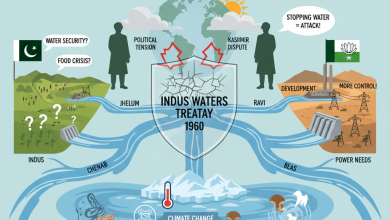
The terms of Jammu and Kashmir’s 1947 accession to India were outlined in the Constitutional Betrayal Article 370, which was more than just a clause. Any modification to this internationally recognized arrangement required the approval of the state’s constituent assembly, which disbanded in 1957. Therefore, in addition to being unconstitutional, the unilateral revocation was a clear breach of the UN Security Council (UNSC) resolutions that acknowledge the area as disputed territory and the promises made to the Kashmiri people.
The Myth of Development
A new era of prosperity would be ushered in by repealing Article 370, according to the BJP government. There hasn’t been much indication of an economic recovery in the years that have followed, though. Due to ongoing militarization and unrest, tourism has suffered, local industries have experienced frequent disruptions, and unemployment is still among the highest in India. The “development” narrative seems to have served as a smokescreen to conceal the true goal, which was to allow non-Kashmiris to settle in the area in large numbers.
Legal Routes to Change in the Population
The Indian government enacted new domicile laws that grant non-residents the ability to obtain residency rights in Jammu and Kashmir in the months that followed August 5. These laws facilitate land purchases, employment applications, and settlement by foreigners, many of whom come from states with a majority of Hindus. The amount of space available for residents has further decreased as a result of the administration’s simultaneous transfers of sizable tracts of land for military and industrial uses.
This is not an isolated incident. Similar demographic re-engineering strategies have been observed in other conflict areas across the world, with Palestine serving as the most prominent example, where changing a region’s ethnic makeup is employed as a means of establishing control.
Political and Cultural Marginalization
A people’s cultural, political, and religious identities are being undermined by demographic change, which is about more than just numbers. The BJP government has promoted policies to suppress Islamic religious practices, marginalize the Urdu language, and impose a narrative that ignores Kashmir’s political and historical background in addition to changing the domicile. In order to maintain future political control in line with New Delhi’s agenda, the new political map that was made public after August 5 redraws districts and constituencies in ways that reduce Muslim representation.
The Strategy of an Occupier
The textbook definition of an occupying power’s plan to subjugate a population is met by the repeal of Article 370, intense militarization, and internet blackouts. The objective is not only to seize territory but also to change its fundamental nature, making political and demographic resistance more challenging.
Global Silence and Cooperation
The international community has mostly kept quiet about the obvious demographic manipulation, preferring to concentrate on India’s strategic alliances and economic influence. In addition to being morally repugnant, this silence gives India the confidence to move forward with its settler-colonial project in Kashmir. For the people of Kashmir, each day that the world ignores them is a step closer to losing their identity as a nation.
The Path Ahead
We must end this silence. The voices of Kashmiris opposing these demographic shifts must be amplified by international human rights organizations, civil society movements, and the media. Governments that profess to support democracy and human rights must use sanctions, diplomatic pressure, and backing for UN-led resolutions to hold India responsible.
Dispossession, not development, was the driving force behind the repeal of Article 370. If it is not stopped, it will be successful in transforming Kashmir from a region with a distinct political and cultural identity into just another area that the Indian government has taken over. The question now is whether the world will take action before it’s too late, rather than whether demographic change is the driving force.