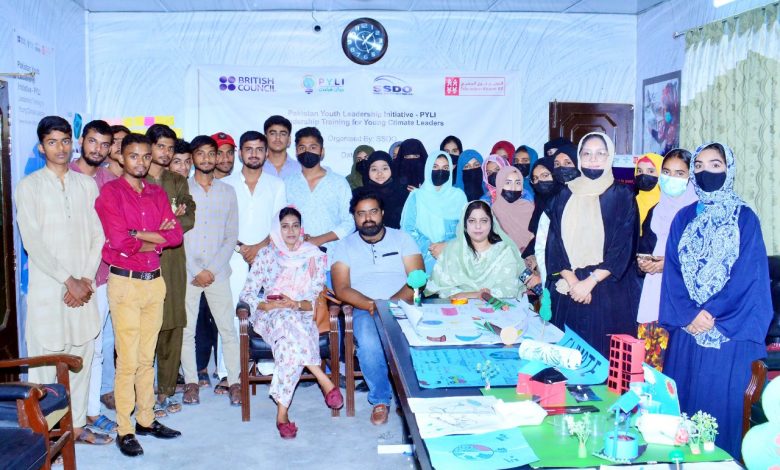
SSDO Pakistan and Climate Optics jointly hosted the fourth day of the sixth Pakistan Youth Leadership Initiative training, focusing on climate leadership through interactive sessions, group activities, and in-depth discussions. Young participants engaged in practical exercises designed to build the knowledge and skills needed to design and lead sustainable solutions for Pakistan’s environmental challenges.
Organizers described the day as highly participatory, combining facilitated workshops with collaborative problem-solving tasks. Sessions covered core concepts of climate leadership, including stakeholder engagement, project design, and communication strategies, allowing attendees to practice applying theory to real-world scenarios.
Group activities encouraged peer learning and teamwork, with participants working in small groups to develop proposals and present actionable ideas. Facilitators provided feedback aimed at refining participants’ approaches to community-based climate initiatives and strengthening their capacity to mobilize local resources.
The training emphasized practical outcomes: participants left with clearer plans for community projects, improved presentation and advocacy skills, and a stronger network of fellow young changemakers. Organizers said the experience is intended to prepare youth to take on leadership roles in climate adaptation, mitigation, and sustainable development across Pakistan.
The program will continue to build on these foundations in subsequent sessions, further equipping participants with the tools, mentorship, and connections needed to implement sustainable solutions in their communities.