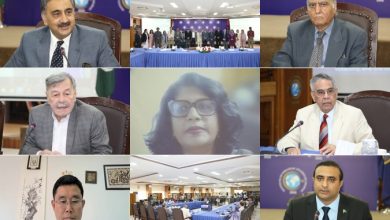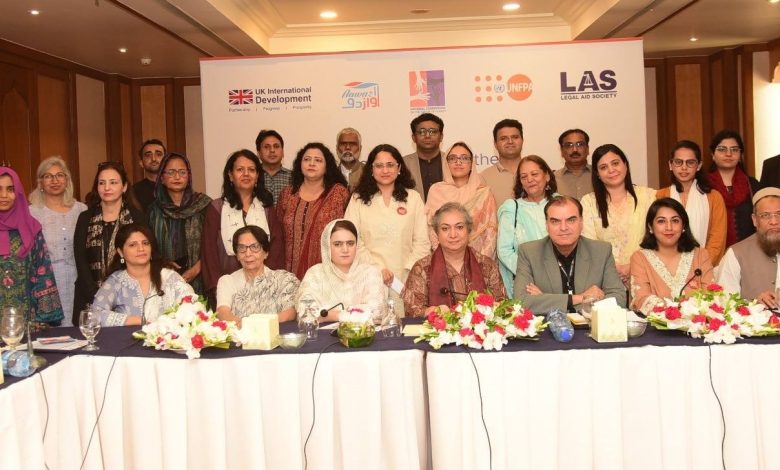
A high-level consultation convened by the National Commission on the Status of Women (NCSW) in partnership with UNFPA and the Legal Aid Society called for urgent, coordinated action to end child marriage in Pakistan, emphasizing the need to standardize the minimum marriage age nationwide and to close gaps in law enforcement and registration systems. Participants recommended expanding female police representation and specialized training, digitizing nikah registration with mandatory identity verification, strengthening child protection authorities, and enhancing government ownership and community engagement to ensure sustained progress.
The meeting brought together government officials, law enforcement, civil society and community stakeholders to examine barriers to implementing existing protections against child marriage. NCSW Chairperson Ume Laila Azhar opened the session by stressing the need for a uniform minimum age of marriage across Pakistan, noting that while Sindh has pioneered legislative measures, implementation gaps remain widespread.
Speakers identified several practical measures to improve prevention and response. Law enforcement representatives urged the deployment of more female station house officers and the introduction of specialized training for police handling child marriage cases, including capacity building for senior officers. The Local Government Department advocated reform of nikah registration procedures through digitization and mandatory verification against the Computerized National Identity Card to prevent falsified or unrecorded marriages.
Participants also called for bolstering the role of the Sindh Child Protection Authority by allocating additional resources and launching awareness campaigns to improve identification and referral of at-risk children. UNFPA emphasized that meaningful, long-term change will require clear government ownership of initiatives to ensure sustainability and measurable improvements for survivors.
Sindh Minister for Women’s Development Shaheena Sher Ali reaffirmed the provincial government’s commitment, saying: “We have been personally taking on cases of child marriage, abuse, and abduction, and we know firsthand challenges survivors face.”
The consultation concluded with a joint call to strengthen implementation of the Child Marriage Restraint Act, scale up community awareness efforts, engage religious leaders in prevention work, and ensure coordinated action between government agencies and civil society. Participants said these combined steps are essential to protect the rights of girls and build a safer future for every child.