Flood And Disability.
Sidra Sadozai. Resident Editor
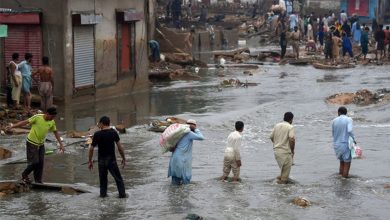
The devastating floods that struck Pakistan in 2022 left behind scenes of unfathomable devastation, with livelihoods destroyed, villages washed away, and millions of people displaced. People with disabilities suffered in silence during this crisis and were frequently disregarded in relief and recovery efforts.
The special vulnerabilities of individuals with disabilities were mainly overlooked, despite the fact that damaged infrastructure and displaced populations received a lot of attention. In addition to posing a physical risk, the floodwaters prevented them from surviving and from enjoying their rights to dignity and inclusion.
The Lost Faces of Catastrophe
An estimated 30 million people with disabilities live in Pakistan, making up nearly 15% of the country’s total population. However, the emergency response hardly took into account their needs when the floods occurred. Numerous evacuation alerts were sent via channels that people with hearing or vision impairments couldn’t access. People with mobility issues who were unable to reach evacuation points were frequently left behind by rescue boats. Families who needed medical equipment, walking aids, or wheelchairs found it difficult to escape the rising waters.
Temporary shelters in relief camps became new places of exclusion due to the lack of accessible restrooms, ramps, and safe sleeping areas. People with disabilities frequently relied solely on family or neighbors while others waited in line for rations, which furthered their sense of isolation and powerlessness.
Social Stigma in Crisis: Overcoming Physical Barriers
Existing disparities are exacerbated by disasters, and social stigma in Pakistan exacerbates the suffering of people with disabilities. Disability is still viewed through a prism of shame or sympathy in many communities. Assuming that people with disabilities were “harder to save,” families occasionally gave priority to evacuating able-bodied members during floods.
There were additional risks for disabled women and girls. They were more susceptible to harassment and abuse in overcrowded shelters with no privacy or security. Their exclusion was exacerbated by the dearth of easily accessible reproductive healthcare. These facts demonstrate that disability is a social as well as a physical challenge, one that is exacerbated during times of crisis.
Rights and Duties: A State Duty
The UN Convention on the Rights of Persons with Disabilities (CRPD), to which Pakistan is a party, mandates that governments guarantee equal access to disaster assistance and emergency services. While Article 9 of the Constitution guarantees the right to life and security, Article 25-A of the Constitution of Pakistan guarantees education. However, the response to the flood showed how little these promises were followed.
The majority of relief efforts were planned using a “one-size-fits-all” methodology, ignoring the unique requirements of people with disabilities. Those who were unable to stand or walk, for example, were excluded when food was distributed in lengthy lines. Many people were denied access to life-saving information because communication campaigns hardly ever used sign language or easily readable formats.
People with disabilities are rarely included in decision-making, whether in national disaster management frameworks or local councils, which reflects a deeper governance gap.
Narratives of Adversity and Fortitude
Human stories lie behind the numbers. Because there was no wheelchair-accessible transportation available in Sindh, a young boy with cerebral palsy had to be carried by his mother for miles. A deaf community in Balochistan was unaware of the calamity until the floodwaters rushed into their homes because they were unable to hear flood warnings. In Punjab, visually impaired women living in camps had to rely solely on volunteers to help them navigate muddy, dangerous shelters.
These tales also emphasize resiliency, though. Communities helped, families adjusted, and disability rights organizations filled the gaps left by the state. Although groups like Humanity & Inclusion and HANDS established inclusive relief initiatives, their work paled in comparison to the scope of the need.
Moving Towards Inclusive Disaster Management
It is not inevitable for people with disabilities to be invisible in disaster relief; neglect is the cause. Pakistan needs to implement an inclusive disaster management approach that prioritizes disability considerations in humanitarian planning in order to reverse this trend. Important actions consist of:
Using braille, audio alerts, sign language, and smartphone apps, accessible early warning systems make sure that no one is left in the dark.
Inclusive evacuation plans include ramps, accessible transportation, and trained rescue personnel who can help people with various disabilities.
Designing shelters with ramps, accessible restrooms, and secure, private areas for women and children with disabilities is known as “disability-friendly relief camps.”
Providing wheelchairs, crutches, hearing aids, and medication in disaster areas is an example of targeted healthcare and assistive devices.
Policy Representation: Involving people with disabilities and their groups in all levels of disaster risk reduction committees.
Humanitarian workers should receive training on disability rights in order to lessen stigma and guarantee dignified, courteous aid.
Climate Change and Increasing Danger
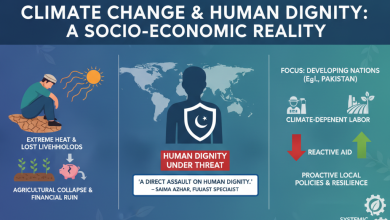
The floods in Pakistan are a warning of what is to come in an era of climate change, not a one-time tragedy. Recurring climate-related disasters are likely due to melting glaciers, unpredictable monsoons, and rising temperatures. Every flood, drought, or earthquake will further drive people with disabilities into poverty and marginalization if they are not included in disaster planning.
Disability inclusion is a matter of justice, not charity. Realizing that resilience is a group effort and that no community can recover by abandoning its most vulnerable members is the key.
Making the Invisible Visible: A Conclusion
The floods in Pakistan are a story of rising inequality as much as rising waters. People with disabilities bore the greatest burden among the millions of displaced people, not because of their disabilities but rather because society and the government did not recognize them.
In addition to failing its most vulnerable citizens, Pakistan will become less resilient overall if recovery and reconstruction proceed without their participation. Those who are most at risk are the first to need to be prepared for disasters.
The price of invisibility has been made clear to us by the floods. The time has come to put people with disabilities front and center in Pakistan’s disaster response, in classrooms, in shelters, and in policies.