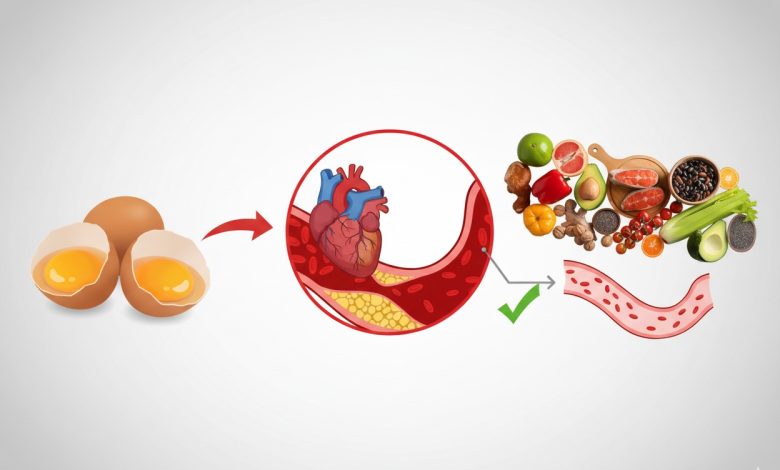
Cholesterol is essential to the body and not the sole cause of artery damage; rather, elevated triglycerides — often driven by excess carbohydrates and high blood sugar — are a key contributor to insulin resistance and related metabolic diseases. A simple check of your lipid panel, specifically the triglyceride-to-HDL ratio, can indicate whether insulin resistance is a concern, and dietary changes can substantially reduce the associated health risks.
Cholesterol performs many vital functions. It makes up about twenty percent of the brain, acts as an antioxidant to neutralize free radicals, is a precursor for the male hormone testosterone and other steroid hormones, supports mood regulation, and is necessary for the synthesis of vitamin D. These roles underscore that cholesterol itself is not inherently harmful.
Triglycerides are a different kind of blood fat and are more directly linked to arterial damage. Carbohydrate intake and the resulting rise in blood sugar tend to raise triglyceride levels. Persistently high triglycerides often reflect insulin resistance, a metabolic state in which the body’s response to insulin is impaired and which underlies many chronic conditions.
You can assess risk by reviewing a standard lipid profile and calculating the triglyceride-to-HDL ratio. A ratio below 2 is considered desirable; a ratio above 2 suggests the presence of insulin resistance and warrants further attention from a healthcare professional.
Insulin resistance is associated with a cluster of health problems often called metabolic syndrome, including type 2 diabetes, high blood pressure, nonalcoholic fatty liver disease, polycystic ovary syndrome in women, obesity, and an increased risk of cardiovascular disease. These conditions are strongly influenced by diet and lifestyle factors.
Rather than demonizing cholesterol, public attention should focus on balancing triglyceride levels through improved diet and healthy habits. Addressing carbohydrate quality and quantity, maintaining a healthy weight, and regular physical activity can lower triglycerides and reduce the risk of metabolic disease. For personalized interpretation of lab results and guidance on lifestyle changes, consult a healthcare professional.