
Senators Clash Over Centralization of Power in PM Office in FBISE Amendment Bill

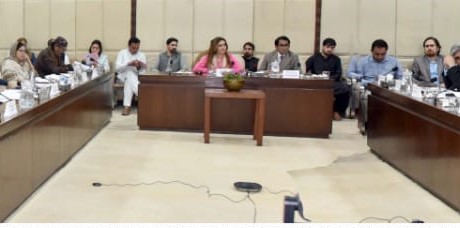
ISLAMABAD (Nadeem Tanoli) A Senate committee session meant to focus on urgent reforms in Pakistan’s education sector descended into turmoil on Wednesday, as a proposed bill granting the Prime Minister unilateral authority over key education appointments triggered sharp criticism from lawmakers across the political spectrum. The absence of both the Federal Education Minister and the Parliamentary Secretary further intensified tensions, leading to accusations of executive overreach, ministerial negligence, and a deepening governance crisis.
The central controversy revolved around proposed amendments to the Federal Board of Intermediate and Secondary Education (FBISE) Act, which seek to transfer the power to appoint the board’s Chairman from the Federal Cabinet to the Prime Minister. Senator Kamran Murtaza condemned the proposal as unconstitutional and warned it contradicts the Supreme Court’s pivotal Mustafa Impex verdict, which established that the Cabinet—not the Prime Minister alone—is the rightful executive body.
“You are trying to nullify a Supreme Court judgment through indirect legislation,” the Senator declared, accusing the government of undermining the separation of powers and centralizing control in a manner more befitting an autocracy, signaling broader unease about eroding institutional checks and balances.
Tempers flared further as lawmakers discovered that both the Education Minister and Parliamentary Secretary had opted not to attend the meeting. Their absence forced the deferral of key agenda items and drew a stern rebuke from the Committee Chairperson Senator Bushra Anjum, who called it a “shocking dereliction of duty.” In an unprecedented move, the Chairperson issued a strict warning: if future sessions are again unattended by senior ministry officials, meetings would be canceled on the spot.
One of the items postponed was a critical governance review of the Pakistan Institute of Fashion and Design (PIFD), where the Vice-Chancellor has reportedly held office for over 25 years. The institution’s submission of “good governance” recommendations struck many in the room as ironic, given its internal leadership controversy.
The committee also failed to address the implementation status of inclusive education reforms for children with disabilities. Despite a 2020 law mandating universal access to education, the Ministry has yet to introduce an operational framework. As a result, Different institutions reportedly continue to deny admission to children with disabilities, raising concerns about the government’s inaction and failure to protect vulnerable populations.
Further discord emerged during a debate over new university proposals. Lawmakers pushing for an institution in Balochistan accused the Higher Education Commission (HEC) of discriminatory practices, citing inconsistent application of land requirement criteria. While a university proposal in Islamabad was blocked over land issues, another proposal lacking similar compliance was approved, leading to accusations of regional bias and administrative hypocrisy.


