**US Consulate Empowers Karachi Journalists to Tackle Human Trafficking and Migrant Smuggling**
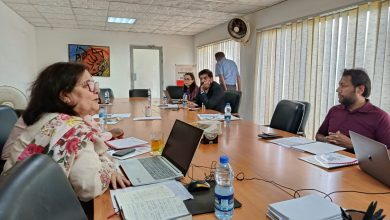
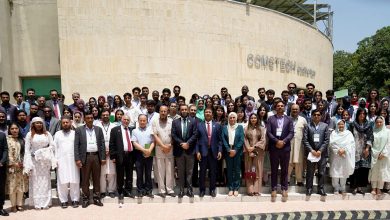
In an effort to combat human trafficking and migrant smuggling through more informed media coverage, the U.S. Consulate General in Karachi has organized a specialized training session for local journalists. The initiative is designed to equip reporters with the knowledge and practical skills needed to identify and report on these sensitive crimes responsibly.
The training was led by the Consulate’s Overseas Criminal Investigations Unit, featuring real-life case studies and actionable guidelines to help participants recognize warning signs and understand the complexities surrounding trafficking and smuggling. Journalists were encouraged to move beyond simply reporting the news, focusing instead on the crucial role that effective journalism plays in protecting vulnerable individuals and exposing perpetrators.
Highlighting the media’s responsibility, the session underscored that journalists are often the first to bring hidden issues to public attention. By improving their ability to spot and accurately report on trafficking, reporters not only raise awareness but can also contribute directly to saving lives and ensuring justice.
The U.S. Consulate reaffirmed its commitment to collaborating with media professionals, civil society organizations, and local institutions to promote ethical reporting and increase public awareness. Journalists and content creators interested in future training opportunities are encouraged to stay engaged with the Consulate.
The initiative has also invited public feedback on how the media can better support victims of trafficking, fostering a broader conversation on responsible journalism and victim advocacy.
#USinKHI #EndTrafficking