
Pakistan Achieves Major Milestone in Women’s Health as Over 700,000 Girls Vaccinated Against HPV in Three Days

Pakistan Achieves Major Milestone in Women’s Health as Over 700,000 Girls Vaccinated Against HPV in Three Days
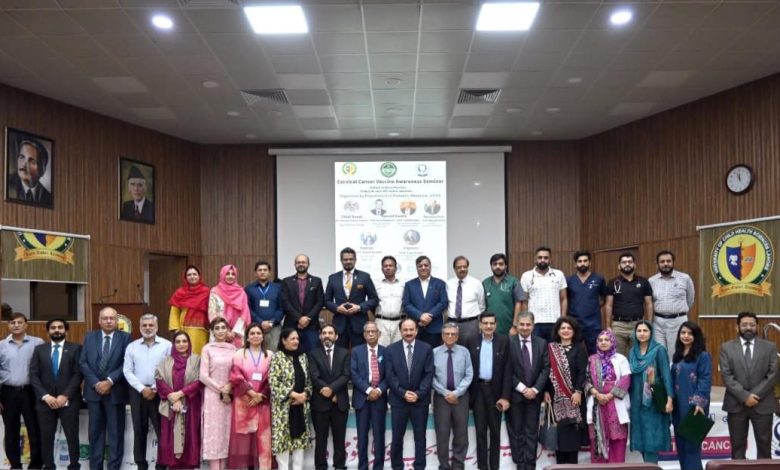
A nationwide HPV vaccination campaign has made a significant impact in Pakistan, with over 700,000 girls vaccinated within just three days. The University of Child Health Sciences (UCHS), in collaboration with the Pakistan Pediatric Association (PPA), organized a comprehensive awareness program to promote the safety, efficacy, and importance of the human papillomavirus (HPV) vaccine, marking a historic step in the country’s fight against cervical cancer.
The awareness program, held at UCHS’s Sajid Maqbool Auditorium, was led by Prof. Masood Sadiq, Vice Chancellor of UCHS and President of PPA Pakistan. In his opening remarks, Prof. Sadiq emphasized the crucial role pediatricians and medical professionals must play in advocating for the vaccine. He called on healthcare providers to actively engage with parents and communities to ensure widespread acceptance and participation in the vaccination drive.
Keynote speakers, including Prof. Shamsa Humayun, Prof. Junaid Rashid, Dr. Qurat-ul-Ain from UNICEF, and Dr. Samra Khurram, Director General of the Expanded Program on Immunization (EPI), highlighted the vaccine’s proven safety and effectiveness since its introduction in 2006, spanning 150 countries. They underscored the importance of this milestone for women’s health in Pakistan and expressed optimism about the campaign’s potential to drastically reduce cervical cancer rates.
Prominent pediatricians Prof. Tariq Bhutta and Prof. Sajid Maqbool also attended as special guests, commending the government’s initiative to combat cervical cancer through vaccination. Their presence underscored the medical community’s support for this historic health intervention.
A panel discussion moderated by Dr. Wajiha Rizwan, President of the Medical Women’s Association of Pakistan, addressed prevalent myths and misconceptions surrounding the HPV vaccine. Panelists, including experts like Prof. Mulazim Hussain Bukhari, Prof. Zahra Khanum, Dr. Kaleem Malhi, and representatives from WHO and media outlets, emphasized the importance of responsible media engagement in promoting accurate information about the vaccine.
Dr. Samra Khurram revealed that over 700,000 girls had been vaccinated nationwide within just three days, demonstrating remarkable progress and the government’s strong commitment to women’s health initiatives.
The event concluded with words of appreciation from Prof. Tipu Sultan of Children’s Hospital Lahore, who praised the efforts of all speakers, panelists, and participants. He commended the government’s landmark initiative, which aims to prevent cervical cancer and improve health outcomes for women across Pakistan.
This milestone not only signifies a critical breakthrough in public health efforts but also reflects a collective commitment to safeguarding the wellbeing of future generations through immunization.


