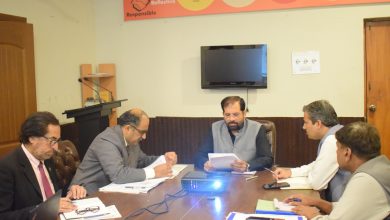
The District Health Office Islamabad has launched a coordinated dengue prevention effort ahead of the season, urging institutions and departments across the capital to intensify environmental sanitation, surveillance and public awareness. Advisory notices have been issued to public and private schools stressing strict adherence to dengue prevention SOPs, protection of students and staff, and the nomination of focal persons to oversee on-site control measures.
A formal request to the Capital Development Authority’s Directorate of Sanitation calls for urgent action on waste and drainage management, including removal and safe disposal of discarded tyres, desilting of drains, increased waste collection frequency and proper covering of storage areas to eliminate mosquito breeding habitats. These environmental steps are central to the office’s dengue prevention strategy.
Training institutes have been asked to nominate staff for community-based surveillance activities. The District Health Office will provide capacity-building sessions to strengthen local response, evidence-based mapping and source reduction demonstrations that help communities recognise and remove breeding sites. The Health Services Academy has been requested to mobilise students and volunteers to support awareness campaigns and behavioural change communication.
The District Administration has been asked to coordinate action among Auqaf, Local Government and Rural Development, Civil Defence and cooperative housing societies. Housing societies are advised to maintain oversight of construction sites and vacant plots, manage solid waste responsibly and issue Dengue Clearance Certificates every 10 to 15 days as part of continuous monitoring and prevention.
The Islamabad Health Regulatory Authority has been formally engaged to ensure private diagnostic centres and laboratories meet dengue prevention protocols and clinical management standards. Oversight measures include functioning triage desks, diagnostic accuracy checks, adherence to government-subsidised testing rates and timely reporting of real-time dengue data. IHRA will work with ICT Disease Control and Prevention teams to ensure zero tolerance for under-reporting and strict monitoring of laboratory services.
Relevant departments such as Fisheries, Wildlife, Agriculture and Livestock have been advised to implement sector-specific measures, including hatchery biosecurity, improved park sanitation, farmer guidance on water management and greenhouse practices, and awareness of mosquito life-cycle control in agricultural and livestock settings. These sectoral actions are woven into an overall dengue prevention approach that recognises different local risks.
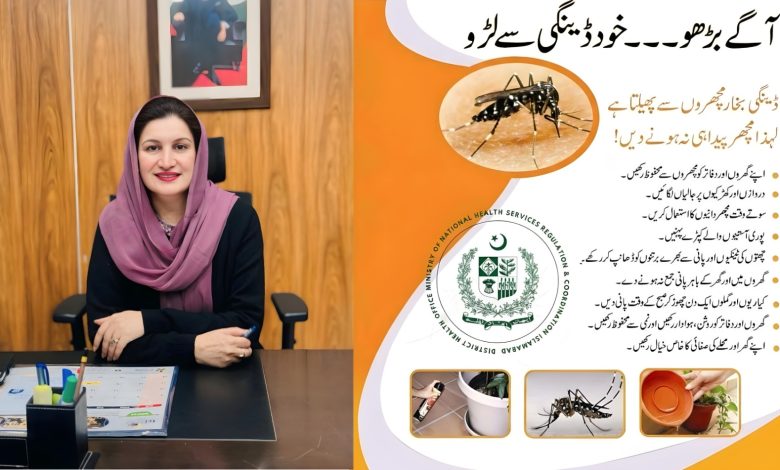
Dr Syeda Rashida Batool, District Health Officer Islamabad, emphasised that dengue prevention requires collective action and firm institutional coordination. She called on all departments, institutions and citizens to maintain environmental cleanliness, eliminate potential mosquito breeding sites and actively promote public awareness so timely coordination and community participation can protect Islamabad residents.
The District Health Office remains committed to strengthening surveillance, enhancing public education and implementing preventive interventions across Islamabad to reduce dengue risk and safeguard public health.