The Standing Committee on Finance and Revenue has raised strong objections to proposed legal shields for financial institutions that could amount to blanket bank immunity, warning that such protections must not leave borrowers exposed.
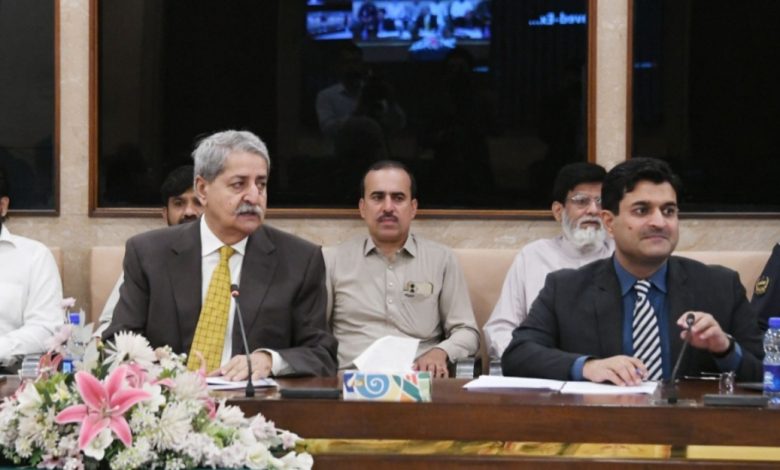
Chairman Syed Naveed Qamar led a clause by clause review of amendments to the Financial Institutions Recovery of Finance Amendment Act at Parliament House, focusing on the newly proposed Section 15A which outlines housing finance and foreclosure procedures. Committee members said the proposed foreclosure mechanism could become unduly harsh on ordinary citizens, particularly those facing temporary hardship or short-term defaults.
While acknowledging that banks need effective tools to recover defaulted loans, the committee emphasised that any recovery framework must strike a balance between enforcement and fairness. Members argued that bank immunity provisions framed as protection under the label of “good faith” should not be inserted into law as a routine safeguard without reciprocal accountability and safeguards for borrowers.
Section 15A drew special scrutiny because of its potential to enable aggressive foreclosure actions. The committee warned against language that would allow financial institutions to act arbitrarily or exert undue pressure on borrowers, and urged that any expanded powers include meaningful remedies, clear appeal rights and transparent processes for affected homeowners.
Chairman Qamar specifically objected to broad indemnity clauses that could shield institutions and their officials from legal challenge. Members voiced concern about a wider trend of granting sweeping powers without matching accountability mechanisms and called for precise, carefully drafted protections that do not prioritise institutions over citizens.
The committee directed the concerned ministry and stakeholders to incorporate its agreed amendments and observations into a revised draft before the bill proceeds. Lawmakers said the goal is to ensure that reforms to housing finance provide recovery options for lenders while preserving legal protections and dispute resolution routes for borrowers.