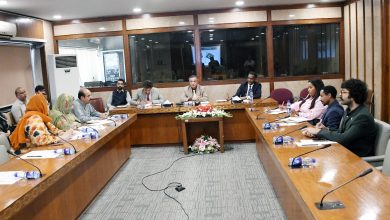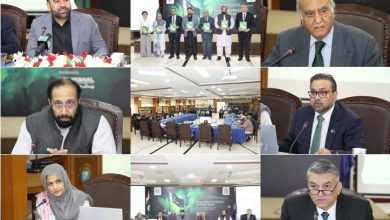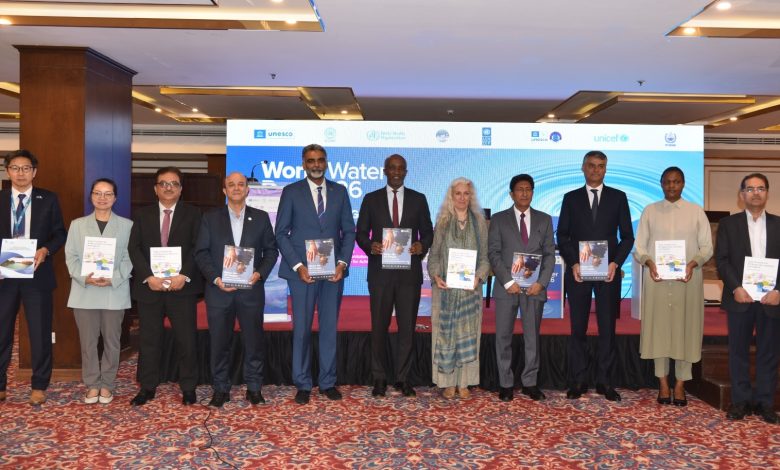
Islamabad, 16 June 2026 — UNESCO, WHO, UNICEF, UNDP and partner institutions gathered in Islamabad to present three new water publications and to press for accelerated WASH investment and stronger water governance in Pakistan. The event brought together federal officials, provincial water authorities, researchers and civil society to discuss solutions that link science, policy and practice.
The reports underline stark global and national shortfalls: 2.1 billion people lack safely managed drinking water, 3.4 billion do not have safely managed sanitation and 1.7 billion lack basic hygiene at home. Women and girls worldwide spend an estimated 250 million hours each day collecting water, a burden that undermines education, health and livelihoods. In Pakistan, WHO and UNICEF estimates show around 55% of the population lacks access to safely managed drinking water and over 58% of rural residents do not have safely managed sanitation. These findings reinforce the urgent need for targeted WASH investment across the country.
Pakistan’s Federal Minister for Water Resources, Mian Muhammad Mueen Wattoo, warned that per capita water availability has fallen dramatically since independence, noting that each Pakistani once had access to over 5,000 cubic metres of fresh water annually and now the figure is below 1,000. The decline in water availability adds pressure to already stretched services and heightens the importance of timely investment and efficient management.
New analysis from UN-Water’s GLAAS 2025 shows the WASH investment gap in Pakistan has shifted: the funding shortfall in urban areas has grown while rural deficits have eased compared with 2021–22. Provincial and Islamabad Capital Territory WASH budgets increased from 225 billion to 265 billion Pakistani rupees between 2022 and 2024, an 18% nominal rise that masks a 20% real-term decline once inflation is accounted for. These figures point to a need for real increases in WASH investment and better protection of budgets against inflation.
UNESCO and the Pakistan Council of Research in Water Resources introduced guidelines for a science–policy–practice interface to help translate research into policy and on-the-ground action. The UN Resident Coordinator, Mohamed Yahya, urged practical, locally rooted responses, saying water solutions must be inclusive, practical and embedded in local knowledge. Emphasising the event’s global theme of Water and Gender, UN agencies highlighted that the water crisis deepens inequalities and that greater participation of women in water decisions is essential.
A high-level round table chaired by Fuad Pashayev, Representative of UNESCO in Pakistan, featured contributions from Pernille Ironside of UNICEF Pakistan, Fahim Ahmed of UNDP Pakistan and Ellen Thom of WHO Pakistan. Panel discussions focused on climate-resilient planning, strengthening institutions, regional cooperation and scaling up WASH investment to protect public health while promoting gender-responsive governance.
Speakers and experts called for coordinated action to close financing gaps, implement the SSPI guidance and prioritise programmes that reduce the time women spend on water collection. Accelerating smart WASH investment, protecting budgets from inflation and mainstreaming gender in water governance were presented as immediate priorities to safeguard water security, public health and livelihoods across Pakistan.