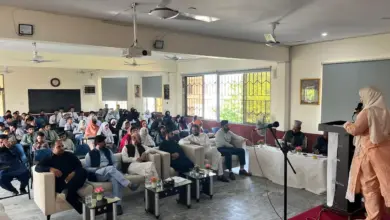
Health experts at the Beyond SMA Unlocking the Cure event urged immediate integration of carrier screening and prenatal testing into premarital and reproductive health protocols as central tools for SMA prevention in Pakistan. The session, organised by the Strive Eradication of Disability Foundation, outlined practical steps to reduce new cases of spinal muscular atrophy and introduced a national strategy for treatment access and advocacy.
Dr Salman Kirmani, paediatric geneticist and metabolic specialist at Aga Khan University, explained that when both parents carry the faulty gene for SMA there is a 25% chance their child will develop the disease and a 75% chance the child will be a carrier without symptoms. He described how failure of SMN genes to produce essential proteins in the spinal cord leads to progressive muscle weakness, long-term disability and, in the most severe forms, early death often from complications like pneumonia.
Experts emphasised that out of family marriages are an effective societal strategy to reduce hereditary transmission, while also advising that families already in consanguineous unions can assess risk through blood genetic screening for their children. The emphasis throughout the event remained on SMA prevention
 through early identification and counselling.
General Sohaib, a specialist in genetic diseases, referred to a unanimous ruling by scholars permitting termination of pregnancy before 17 weeks in cases of severe genetic disorders and stated that SMA meets the criteria due to its severity. He urged widespread prenatal screening and warned that prevention is the most effective means to avoid the profound loss and hardship SMA brings to families.
MNA Sehar Kamran stressed that once a severe disease manifests options are limited and timely diagnosis becomes critical. She called for society to overcome outdated mindsets, embrace modern screening tools and support policies that prioritise SMA prevention and care.
A moving video screened at the event featured parents who have lost multiple children to SMA and who remain in search of treatment for surviving children. Their testimonies underlined the urgent need for preventive measures, better access to diagnosis and an integrated support system to protect future generations.
Strive presented its SMA Endgame Plan 2025–2030 and launched a National SMA Registry to centralise patient data, support funding decisions and guide policy. Muhammad Yasir Khan, CEO and Director of Strive, said the registry will allow families from across Pakistan to register, help identify those who need screening and enable targeted counselling and prevention initiatives. Centralised data, he added, will also help steer treatment efforts and resource allocation.
Speakers highlighted the prohibitive cost of available medicines, noting one dose is priced at about $4700, or roughly Rs 1.3 million, even when offered at an 80 percent subsidised rate that remains out of reach for many families. From 2022 to 2025, Strive supported treatment for around 101 patients in Pakistan. Saman Fatima, Development and Operations Lead at Strive, said 28 patients received 62 cycles of medicine with Rs 69 million invested by the foundation, while 73 patients secured funding from government and other sources thanks to Strive’s advocacy.
The consensus at the event was clear: prioritising SMA prevention through carrier screening, prenatal testing and a functioning national registry can reduce suffering and guide scarce resources to families in need. Policymakers, religious leaders, medical experts and civil society were urged to coordinate on awareness, premarital and reproductive screening services, and accessible counselling to make SMA prevention a realistic public health priority in Pakistan.