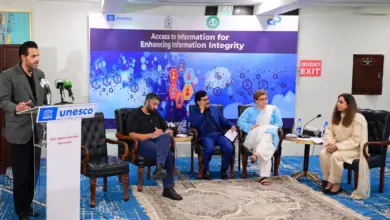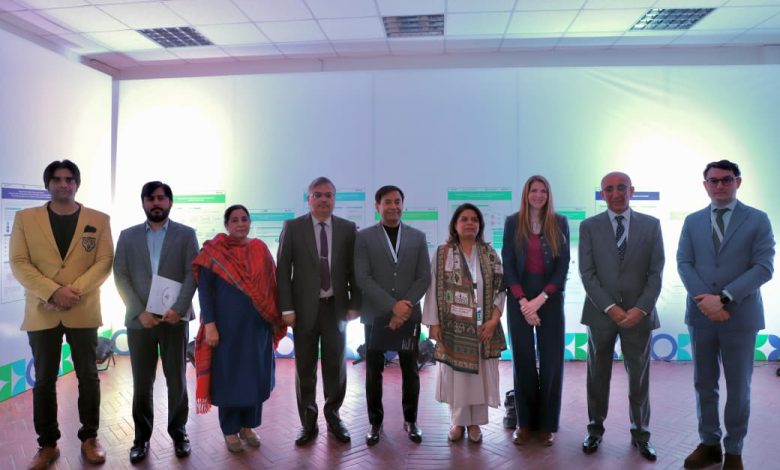
The DARE-RC International Education Summit on December 17, 2025, brought together policymakers, international researchers and development partners at Allama Iqbal Open University in Islamabad to push evidence-based reforms across Pakistan’s education system. The event created space for dialogue on practical use of data, inclusive policy and system-level solutions to expand learning opportunities for the most marginalised children.
Ahsan Iqbal, Federal Minister for Planning and Development, underlined the importance of evidence in shaping policy and programmes, saying that prioritising data-driven decisions is essential for Pakistan to meet its development goals and ensure the education system responds to the needs of children and youth.
Jane Marriott CMG OBE, British High Commissioner to Pakistan, warned of the long-term cost of inaction: “Pakistan’s children are at real risk of only reaching 41% of living a full life to reach their maximum potential. Only effective teaching, strong schooling, and evidence-based decisions can give children, particularly the most marginalised, the best chance to learn and succeed.” Her remarks reinforced the summit’s call for urgent action grounded in research and data.
Abdur Rauf Khan, Country Director at Oxford Policy Management Pakistan, described DARE-RC as a unique platform that unites researchers, policymakers and practitioners to share knowledge and advance better outcomes. DARE-RC Team Lead Dr Ehtasham Anwar said the summit provided a valuable forum for stakeholders to engage on pressing education challenges and committed to ongoing collaboration with government and partners to translate evidence into practice.
Dr Nasir Mahmood, Vice Chancellor of AIOU, reaffirmed the university’s support for inclusive and equitable education, highlighting the role of higher education institutions in informing policy and supporting teacher development across Pakistan.
The first day featured a keynote by Professor Kamal Munir of the University of Cambridge, who emphasised equity as central to meaningful education reform. High-level plenaries and panels included international experts such as Professor Ricardo Sabates, Dr Amer Hasan and Dr Saher Asad from the World Bank, Aurelia Ardito from UNICEF, Dr Julia de Kadt of Sightsavers and Heather Kayton of the What Works Hub for Global Education, who exchanged evidence and practice insights relevant to Pakistan.
Participants explored themes including climate-resilient education systems, system-wide inclusion and the use of data to strengthen education delivery. Knowledge-sharing workshops and parallel sessions examined intersecting exclusions and access, with discussions ending the day by identifying next steps to build inclusive, resilient systems and strengthen the use of evidence in policy and practice.
The DARE-RC programme is implemented by Oxford Policy Management in partnership with the Aga Khan University Institute for Educational Development and Sightsavers, and is funded by the UK Foreign, Commonwealth and Development Office. Stakeholders at the summit reiterated a collective commitment to advance evidence-informed reforms through continued collaboration and research-driven policy action.