Pakistan Hosts National Conference to Combat Diarrheal Diseases and Strengthen Health Security
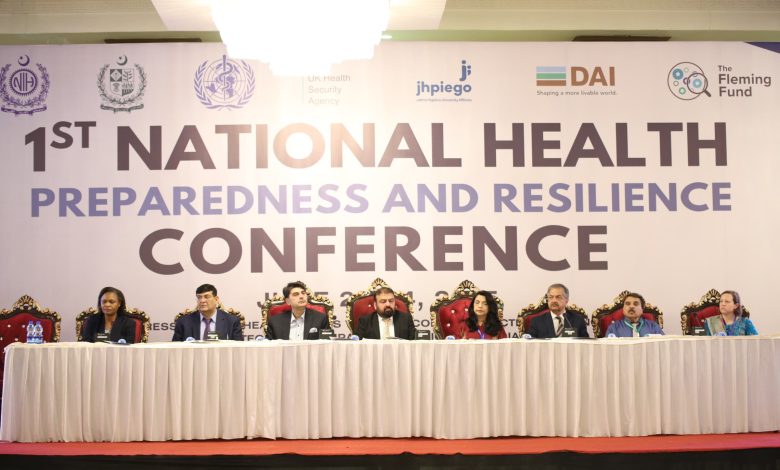
Islamabad, June 23, 2025 — Pakistan is intensifying efforts to address the ongoing challenge of diarrheal diseases, particularly among children under five, through a national conference focused on health preparedness and resilience. The event, organized by the National Institute of Health (NIH), gathered senior health officials, development partners, and public health experts to discuss strategies for reducing disease burden and improving health infrastructure across the country.
The conference was inaugurated by Dr. Malik Mukhtar Ahmad Bharath, Federal Minister of State for the Ministry of National Health Services, Regulations & Coordination. In his keynote address, he emphasized the importance of ensuring access to clean water and sanitation to secure a healthier future for Pakistani children. “Every child deserves clean water and a healthy future,” he stated, underlining the government’s commitment to tackling preventable illnesses linked to WASH (Water, Sanitation, and Hygiene) deficiencies.
One of the key topics discussed was Pakistan’s adherence to the International Health Regulations (IHR), with reference to the recent Joint External Evaluation (JEE 2023). The assessment called for urgent reinforcement of core health capacities, which are essential for disease detection, response, and overall health security. Minister Dr. Malik Mukhtar highlighted the government’s plans to strengthen disease surveillance, expand vaccination programs—including Rotavirus and oral cholera vaccines under the Expanded Programme on Immunization (EPI)—and promote household-level WASH practices.
The conference also underscored Pakistan’s role in expanding laboratory networks and integrating surveillance systems to better monitor infectious diseases. The NIH was recognized for its efforts in building frontline capacity and enhancing diagnostic capabilities, which are crucial in early detection and containment of outbreaks.
In addition to diarrheal diseases, the Minister briefly touched upon global health threats such as COVID-19, Mpox, and the emerging Human Metapneumovirus (HMPV). He emphasized the importance of real-time surveillance, border health controls, and community engagement to prevent future health crises. The need for increased domestic health funding was also discussed, with encouragement for international partners to align their support with national health priorities.
Concluding his remarks, Dr. Malik Mukhtar called for collective action beyond dialogue. “Together, we must ensure that every child in Pakistan not only survives but thrives, with access to clean water, quality healthcare, and a resilient health system,” he affirmed. The conference aims to galvanize continued efforts toward reducing diarrheal disease burden and strengthening Pakistan’s health security infrastructure for the future.