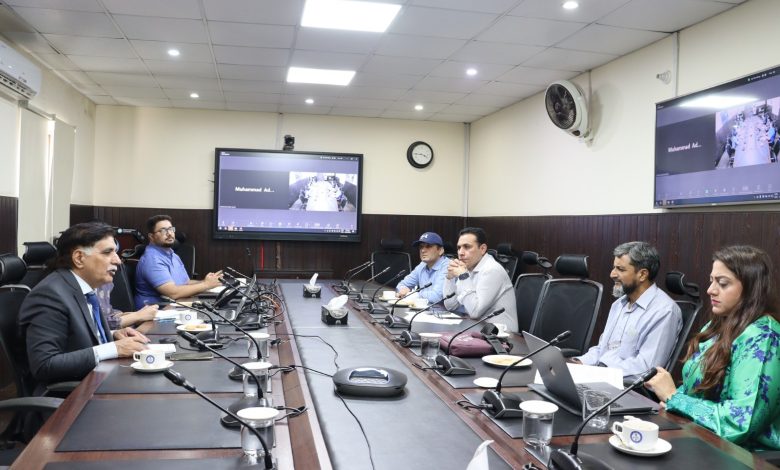
The Punjab Healthcare Commission (PHC) recently convened a focus group discussion to review and strengthen guidelines regarding hospital oxygen supply systems. The initiative aims to develop comprehensive policies to ensure safe, reliable, and uninterrupted oxygen delivery across healthcare establishments in Punjab.
The meeting brought together experts and representatives from the World Health Organisation (WHO), the Specialised Healthcare and Medical Education Department, pulmonologists, critical care specialists, biomedical engineers, and PHC technical staff. Discussions emphasized the critical importance of a continuous oxygen supply for key hospital areas such as ICUs, operating theatres, emergency departments, neonatal care units, and general wards.
Participants highlighted the necessity for rigorous safety protocols covering the storage, handling, and use of medical oxygen. They stressed the significance of proper infrastructure, regular staff training, and reliable biomedical engineering support to maintain system reliability. The group also underlined the need for robust backup systems and contingency plans to minimize risks and prevent supply disruptions.
Additionally, the session addressed the importance of strict infection prevention and control measures, safe equipment usage, and correct disposal of outdated equipment and gas cylinders to uphold high safety and quality standards. Adequate signage throughout hospital facilities was recommended to ensure both staff and patient safety in relation to oxygen administration.
The discussion further concluded that hospitals using on-site oxygen concentrators should adhere to the same safety and quality standards as those required of vendors and oxygen manufacturing plants. Each healthcare facility will be tasked with drafting its own oxygen supply policy, tailored to its specific infrastructure and patient needs. This approach is expected to promote sustainable, evidence-based practices that enhance patient safety and continuity of care in the region.