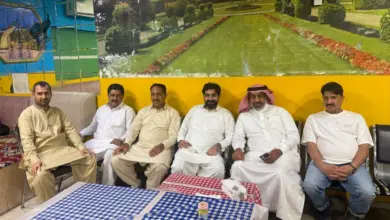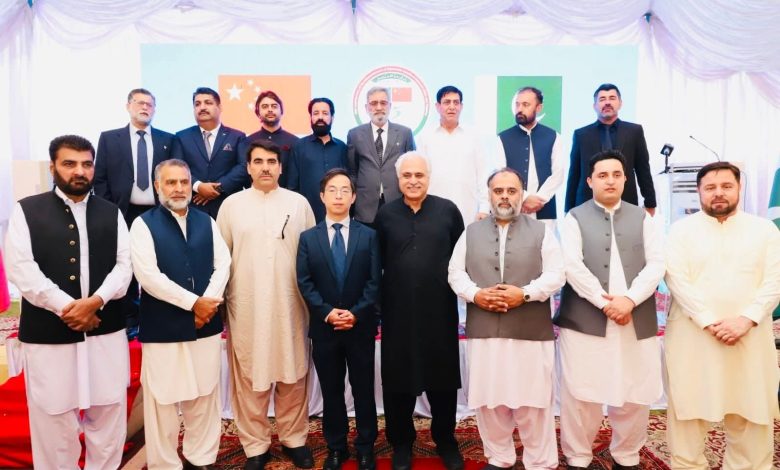
The China Window cultural centre held a dignified launch at Khyber Pakhtunkhwa House in Islamabad to unveil a new Pashto composition marking 75 years of Pakistan China diplomatic ties. The ceremony was inaugurated by Speaker of the Khyber Pakhtunkhwa Assembly Babar Saleem Swati, with Chinese Cultural Consul Chen Peng attending as a special guest.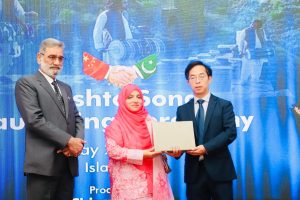
Administrator Amjad Aziz Malik explained that the Pashto friendship song was produced to express the enduring bond between the two countries through music and culture. He said the piece uses the language of romance in poetry but carries a deeper message that true friendship transcends borders and languages, underscoring the purpose behind the Pashto friendship song.
In his remarks, Chen Peng highlighted the deep strategic cooperation and mutual trust that define Pakistan China relations, calling the partnership a model of sincerity and shared prosperity. He reaffirmed China’s commitment to enhancing cooperation in economy, trade, science, education and culture, and praised China Window for using the arts to strengthen people-to-people ties.
Speaker Babar Saleem Swati noted that the China Pakistan Economic Corridor is a tangible expression of the shared development vision, and he emphasised Khyber Pakhtunkhwa’s strategic role in regional connectivity. Referring to recent parliamentary diplomacy, he described productive visits to Kashgar and Urumqi and progress on sister-city links between Peshawar and Urumqi and between Abbottabad and Kashgar.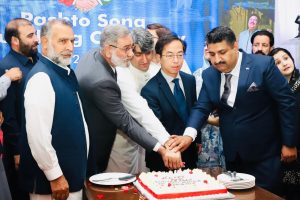
The event drew provincial leaders and public figures including Provincial Minister for Energy Nazir Abbasi, former minister Akbar Ayub, MPAs Anwar Khan, Asif Mehsud, Ikramullah Ghazi, Faiza Malik and Sonia Shah, former IGPs Malik Naveed Khan and Akhtar Hayat Gandapur, assembly officers, diplomats and journalists. Attendees commended the cultural initiative and its role in reinforcing bilateral goodwill.
The ceremony paid tribute to poet Professor Dr. Abaseen Yousafzai and singers Dr. Irfan Khalil and Yamsa Noor for their contributions to the project. Commemorative souvenirs were presented to guests and a cake cutting marked the 75th anniversary, closing the event with a renewed commitment to expand cultural exchanges and strengthen the long-standing friendship through initiatives like the Pashto friendship song.