**RDA Intensifies Crackdown on Illegal Encroachments in Rawalpindi, Seals Unauthorized Market and Offices**
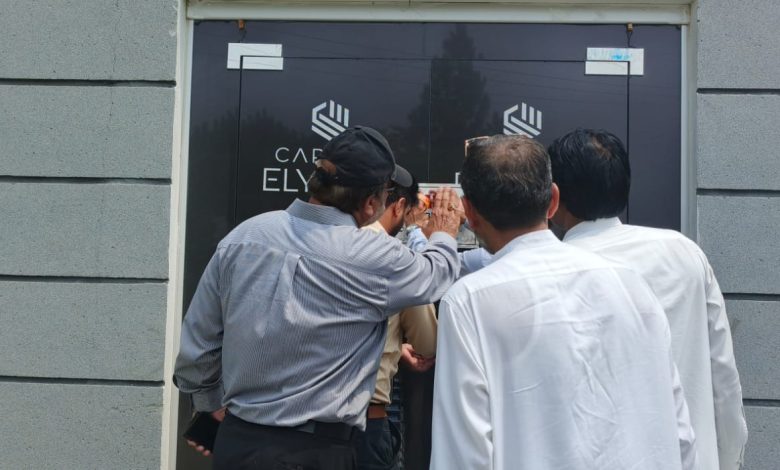
The Rawalpindi Development Authority (RDA) has launched a major enforcement operation against illegal encroachments and unauthorized commercial activities, clearing the service road of University Town and sealing an unauthorized market and marketing office. The move reflects the RDA’s ongoing commitment to upholding city development laws and creating safer, more accessible public spaces.
Under the directives of DG RDA Kinza Murtaza, the authority’s enforcement squad intensified operations targeting illegal constructions and violations of land use regulations. According to an RDA spokesperson, the recent action was prompted by significant breaches of zoning and construction bylaws, with the unauthorized market found operating without proper approvals in clear defiance of city regulations.
DG Kinza Murtaza emphasized RDA’s unwavering dedication to legal compliance and orderly city development, urging commercial operators to secure all necessary approvals before commencing business activities. She highlighted that these measures are in direct response to instructions from Punjab Chief Minister Maryam Nawaz Sharif, who mandated a strict zero-tolerance policy against encroachments and illegal developments.
The crackdown signifies a firm stance on tackling unauthorized commercial activities and illegal construction in Rawalpindi. The RDA has called upon the public to support efforts to maintain encroachment-free areas, contributing to safer, less congested streets.
The operation was executed by Director Land Ghazanfer Ali Awan, Assistant Director Land Dilshad Ali, Building Surveyor Aamir Mahmood Malik, Asim Khokhar, and other RDA team members, with assistance from officers at the New Islamabad International Airport Police Station. The DG RDA has also directed the LU&BC Wing to pursue strict action against any further illegal constructions or unauthorized commercial ventures, reinforcing that such efforts will continue citywide without exception.