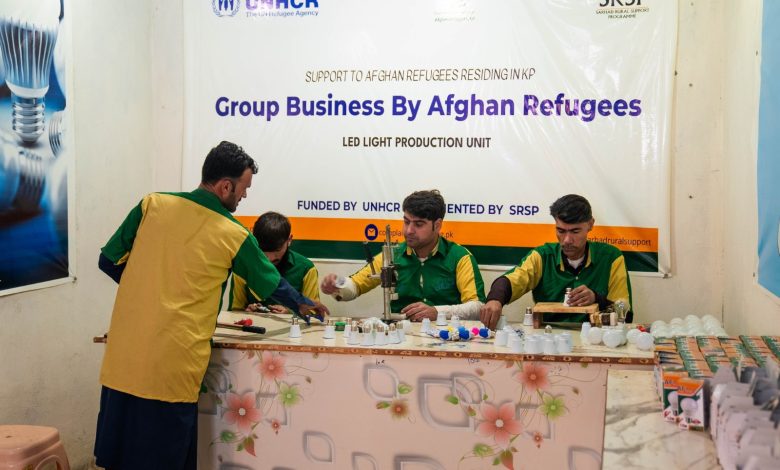
**UNHCR Highlights the Transformative Power of Skills and Education for Refugee Youth**
The United Nations High Commissioner for Refugees (UNHCR) has underscored the vital role that education and vocational training play in empowering young people, particularly refugees, to transform their futures. Marking a special occasion dedicated to celebrating youth potential, the organization reaffirmed its commitment to supporting refugee youth through improved access to education, skills development, and opportunities for self-reliance.
UNHCR emphasized that investing in education, vocational training, and essential life skills benefits not only individual refugee youth but also the wider communities in which they live. These opportunities equip young people with the tools needed for brighter futures, enabling them to contribute more effectively and independently to society.
The agency called on the global community to prioritize investments in youth and skills development, stressing that empowering refugee youth today lays the foundation for stronger, more resilient communities tomorrow. UNHCR’s message highlights the shared responsibility to ensure that young refugees can realize their potential and secure prospects that are both hopeful and sustainable.