Pakistan and FAO Strengthen Collaboration to Build Climate-Resilient and Sustainable Agriculture
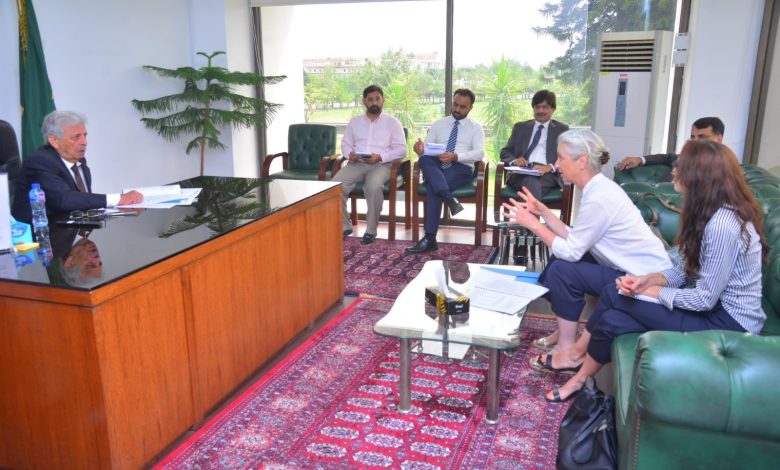
The Government of Pakistan and the Food and Agriculture Organization (FAO) have reaffirmed their commitment to strengthening cooperation aimed at addressing the country’s growing agricultural challenges, particularly those stemming from climate change. During a high-level meeting in Islamabad, Pakistan’s Federal Minister for National Food Security and Research, Mr. Rana Tanveer Hussain, discussed strategic initiatives and shared concerns on how erratic weather patterns, prolonged droughts, and pest outbreaks are adversely impacting agriculture, especially among smallholder farmers.
The discussions focused on the urgent need for innovative, sustainable solutions to safeguard Pakistan’s vital agrarian economy. Mr. Hussain emphasized the government’s ongoing efforts to enhance agricultural productivity through initiatives such as the increased availability of certified seeds and fertilizers, adoption of mechanized farming techniques, and the promotion of modern irrigation methods. These steps aim to increase crop yields, improve efficiency, and mitigate the effects of climate-induced stresses.
FAO representatives expressed appreciation for Pakistan’s proactive modernization efforts and assured continued technical and strategic support to bolster the country’s agricultural sector. Ms. Florence Rolle, the FAO Representative to Pakistan, highlighted the importance of integrated approaches to improve food value chains, minimize post-harvest losses, and leverage digital technologies to empower farming communities. She underscored the significance of capacity-building programs, particularly for women and youth, to enhance their participation in sustainable agriculture practices and reinforce resilience.
Both parties underscored that sustained collaboration between the Pakistani government and FAO is vital for ensuring food security, fostering long-term agricultural growth, and building resilience against future climate challenges. They mutually committed to intensifying efforts in areas such as agricultural innovation, climate adaptation, and inclusive development. The meeting concluded with a shared vision of transforming Pakistan’s agricultural landscape into a more resilient, inclusive, and sustainable sector that contributes to national prosperity and food security.