Pakistani Senator Highlights Digital Policy Challenges and Initiatives at International Parliamentarians Panel
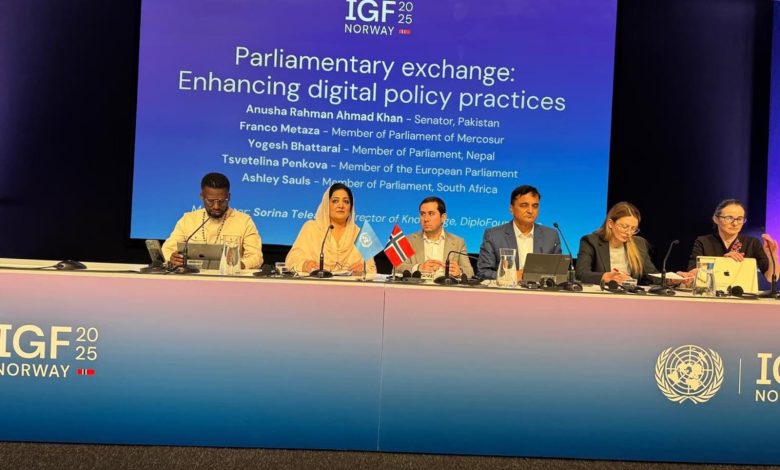
During a recent international parliamentary panel on “Enhancing Digital Policy Practices,” Senator Anusha Rahman of Pakistan emphasized the importance of safeguarding citizens’ rights in the evolving digital landscape and outlined the country’s efforts to leverage artificial intelligence (AI) for legislative advancement. She underscored the global interconnectedness of the internet and the necessity for international cooperation in digital policymaking, advocating a responsible and balanced approach to regulation that protects freedoms while mitigating online risks.
Senator Rahman highlighted that the digital ecosystem transcends national borders, with online activities in one part of the world impacting societies elsewhere. She stressed that digital policy should foster international collaboration, as no country can effectively govern these realms alone. She further noted that while digital tools are inherently neutral, their consequences can vary widely, either illuminating or dividing societies. Lawmakers have a duty to guide this technology responsibly—regulating wisely rather than excessively—to preserve human dignity, democratic freedoms, and equitable access for all citizens.
At the national level, Pakistan is taking proactive steps to enhance parliamentary capabilities in digital governance. The country is developing in-house AI tools and focusing on raising awareness about digital ethics and citizen data protection. A significant initiative led by the Senate involves the creation of an AI-powered chatbot designed to assist senators, staff, and the public by providing real-time legislative data, procedural guidance, and multilingual support. This virtual assistant aims to promote accountability, efficiency, and inclusiveness, aligning with the Senate’s commitment to transparent governance.
The discussion also centered on online citizens’ rights, with Senator Rahman urging parliamentarians to work towards a secure digital future where both online and offline rights are equally protected. She called for the development of rights-based frameworks that shield vulnerable groups—including women, children, and marginalized communities—from online abuse, while also safeguarding freedom of expression, access to information, and digital participation vital to democracy.
Addressing the challenges faced by Pakistan in enforcing online laws, Rahman expressed concern over the partial cooperation from social media platforms, which often have the discretion to comply with legal requests. She emphasized the need for sovereign nations to collaborate on establishing cohesive digital policies that effectively protect their citizens and uphold national laws, acknowledging that enforcement remains a complex issue due to platform discretion.
Concluding her remarks, Rahman highlighted the vital role parliaments play in translating complex digital realities into impactful legislation. She called for continuous peer learning, stronger collaborations with technical and academic communities, and building internal capacities within legislative bodies. Such efforts are essential for crafting effective digital rights frameworks aligned with each nation’s legal landscape.
The panel also featured participation from Pakistani Parliamentarians Senator Aslam Abbro, Falak Naz, and Pakistani Ambassador to Norway Sadia Altaf, all contributing to the discussion on shaping responsible digital governance and international cooperation in digital policy development.