The National Assembly’s Standing Committee on Climate Change and Environmental Coordination has called for immediate and robust action on urgent environmental challenges, highlighting concerns about disaster preparedness, vehicle emission testing, e-waste management, and resource allocation for climate initiatives across Pakistan.
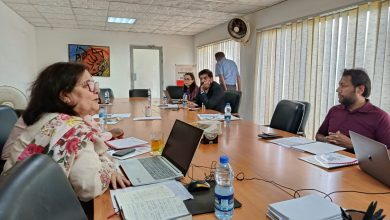
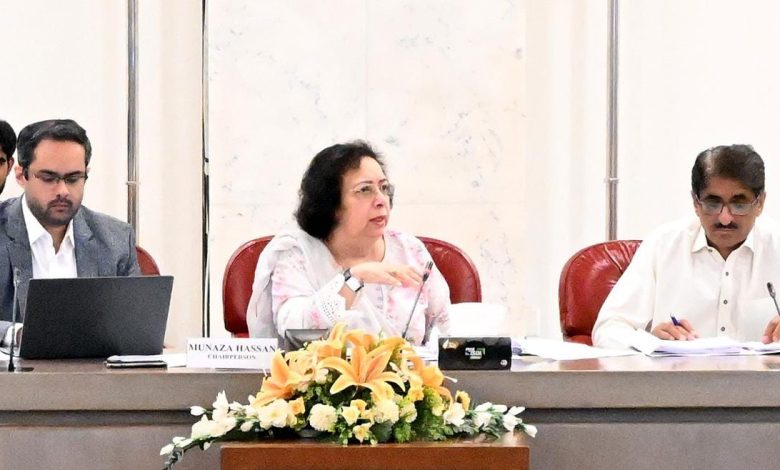
During a meeting chaired by Munaza Hassan at Parliament House in Islamabad, the Committee criticized the Ministry for delays and insufficient briefing materials, stressing the importance of timely support for effective parliamentary oversight. Members noted alarming projections of significantly heavier monsoon rains next year and pointed to inadequate coordination between federal and provincial authorities in managing disasters. In particular, the Committee urged swift action to curb soil erosion in vulnerable regions such as Layyah and called for a thorough investigation into rampant deforestation by timber mafias in Khyber Pakhtunkhwa, Azad Jammu and Kashmir, and Gilgit-Baltistan.
On vehicle emissions, the Committee voiced strong dissatisfaction with the existing system, citing a lack of planning, clear methodology, and collaboration between relevant agencies. They recommended halting testing programs unless the Pakistan Environmental Protection Agency (Pak-EPA) is fully involved and requested a detailed presentation on global best practices and actionable strategies for improving emission controls.
The Committee reviewed progress on e-waste regulation, commending Pak-EPA and the Ministry for drafting frameworks aligned with international obligations but noting urgent gaps in managing lithium-ion battery disposal, hospital waste, and plastic pollution. They advocated for the inclusion of independent experts in the e-waste working group and directed the Ministry to work with the private sector to develop sustainable disposal and recycling methods. The introduction of plastic bottle collection machines, inspired by successful international models, was proposed as a pilot project in Islamabad.
To strengthen environmental governance, the Committee also recommended increasing funding and enhancing the capacity of both the Ministry and Pak-EPA. They urged rapid expansion of initiatives such as urban forests, sponge city projects, and rainwater harvesting, while insisting on transparent follow-up for international climate commitments made during ministerial visits abroad.
The meeting brought together members of the National Assembly, officials from the Ministry of Climate Change and Environmental Coordination, representatives of Pak-EPA, the Islamabad Capital Territory administration, and the Capital Development Authority. The Committee’s recommendations set a firm direction for urgent action and collaboration in Pakistan’s climate response.