The Pakistan Environmental Protection Agency (Pak-EPA) has called on the Capital Development Authority (CDA) to urgently enhance the operations of Islamabad’s main Sewage Treatment Plant (STP) due to significant capacity and performance concerns. The agency’s latest inspection revealed serious shortcomings in both the facility’s treatment processes and water quality monitoring amid growing demand from the city’s expanding population.
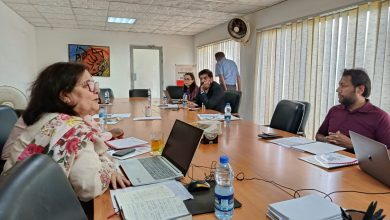
Pak-EPA’s Environmental Monitoring Team, led by Director General Nazia Zaib Ali, visited the treatment plant to evaluate its operational status and environmental standards. The team also assessed the on-site laboratory responsible for monitoring water quality, discovering that it only tests for a limited set of five basic parameters. Most of the laboratory equipment was found non-functional, casting doubt on the reliability of current water quality assessments.
The inspection highlighted that the STP’s biological treatment process, known as the Activated Sludge Process, is underperforming. Laboratory tests indicated that the primary treatment stage, which should remove around 40 percent of Biological Oxygen Demand (BOD), is achieving only about 10 percent removal. This falls far short of the required environmental standards, suggesting that untreated or inadequately treated wastewater may be released into the environment.
CDA officials pointed to financial constraints and an insufficient budget as major factors hindering proper plant maintenance and operational efficiency. The rapid population growth in Islamabad has also contributed to the treatment plant being overwhelmed by increasing sewage volumes, especially from high-density areas.
In response to these findings, Pak-EPA is urging the CDA to prioritize upgrading and expanding the facility, repairing and restoring laboratory equipment, and strengthening ongoing environmental monitoring. The agency emphasizes that treated wastewater must meet national environmental quality standards before being discharged into natural water bodies or reused for purposes such as irrigation, landscaping, or industry.