Pakistan is preparing to introduce the HPV vaccine nationwide for the first time, in an effort to reduce cases of cervical cancer among women. This landmark initiative aims to vaccinate 13 million girls between the ages of 9 and 14 in Punjab, Sindh, Islamabad, and Azad Jammu & Kashmir, using a single-dose vaccine proven effective in preventing the disease.
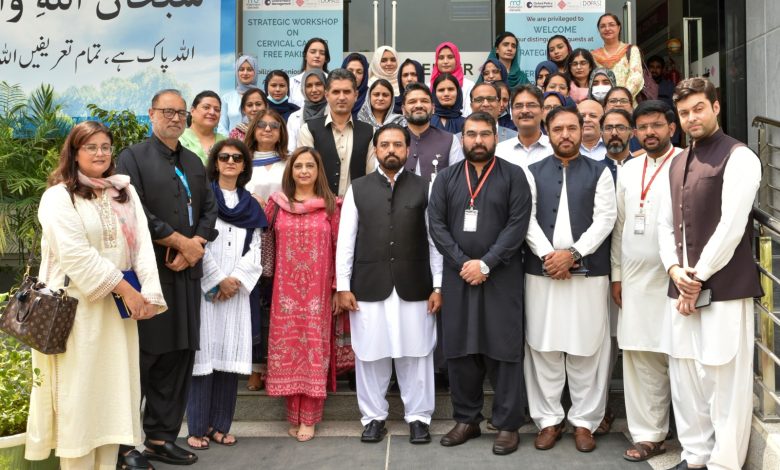
The vaccination campaign is backed by the DOPASI Foundation in partnership with FDI and supported by Gavi, The Vaccine Alliance. A strategic workshop was recently held to raise awareness about cervical cancer prevention and engage stakeholders. The event gathered health experts, government officials, and representatives from civil society to discuss the crucial roles that private hospitals, medical professionals, and community organizations will play in making the campaign successful.
Dr. Farhaj Uddin, leading the HPV vaccination campaign at DOPASI Foundation, emphasized the need for robust advocacy and community mobilization to overcome myths and misconceptions regarding the vaccine. He highlighted the importance of ensuring vaccine accessibility throughout Pakistan, noting the Foundation’s commitment to supporting this national health effort.
Dr. Khurram Shahzad of FDI stressed that the endorsement of doctors is critical for building public trust and dispelling inaccurate information about vaccines. Director General Health Services CDA, Dr. Irshad Ali Jokhio, mentioned that the HPV vaccine would be incorporated into Pakistan’s basic immunization schedule, ensuring long-term sustainability of the program.
WHO representative Dr. Rozeena Khalid reported that cervical cancer is the country’s second most common cancer among women, with a mortality rate that surpasses that of breast cancer. She stated that vaccinating adolescent girls is essential for reducing future incidences of the disease.
Further, Dr. Saima Khursheed Zubair pointed out that while cervical cancer affects adult women, the preventive vaccine must be administered before the age of 15 for maximum protection.
Speakers at the workshop highlighted Pakistan’s goal to vaccinate 18 million girls over the next three years, a target contingent upon the proactive engagement of civil society organizations and healthcare providers. Participants commended DOPASI Foundation for its leadership in raising awareness and mobilizing communities for this initiative.
Concluding the event, Dr. Bilal Arshad, CEO of Ali Medical Hospital, remarked that doctors will play a decisive role in ensuring the campaign’s reach and success.
With the launch of this campaign, Pakistan is set to become the 150th country to introduce the HPV vaccine. Health leaders called the move a historic step toward protecting adolescent girls from cervical cancer and creating a healthier future for Pakistani communities.