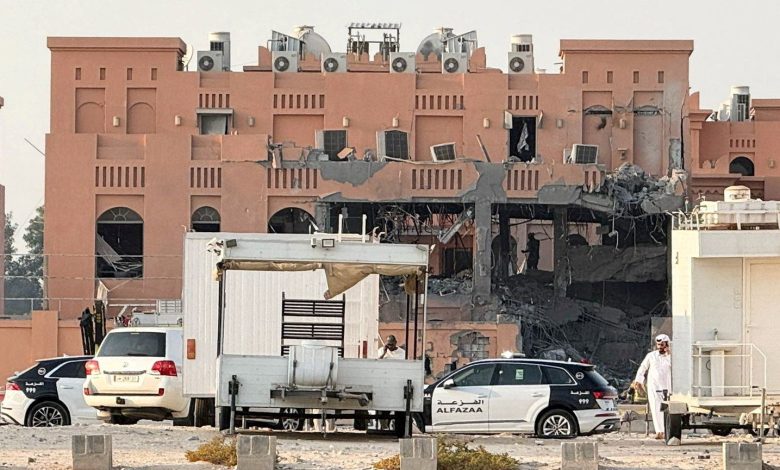
An Israeli airstrike in Doha that targeted leaders of Hamas has sparked widespread diplomatic outrage, prompted an emergency meeting of the United Nations Security Council, and raised tensions across the region. Qatar condemned the attack as “state terrorism” and warned it reserves the right to respond; Pakistan and other countries sought urgent Security Council action; international leaders, including Pakistan’s prime minister and the US president, have engaged in discussions; the UN secretary-general denounced the strike; and global oil prices rose modestly on renewed geopolitical concerns.
Qatar’s prime minister condemned the strike in Doha as “state terrorism” and said his country would not tolerate violations of its sovereignty or regional integrity. He emphasized that Qatar’s role as a mediator in regional disputes is central to its identity and will continue, but said Doha reserves the right to respond firmly to any aggression that threatens its security or regional stability. He warned that the region had reached a critical moment and called for a strong regional reaction to what he described as a brutal act.
The attack reportedly targeted senior Hamas figures in Doha. Hamas said five of its members were killed, including the son of exiled Gaza leader Khalil al-Hayya. The strike drew strong criticism across the Middle East and internationally.
Diplomatic sources told Reuters that an emergency session of the UN Security Council has been convened at the request of multiple countries, including Pakistan and Algeria, to consider the fallout from the strike and the broader implications for regional security. The meeting is intended to discuss the incident and potential avenues for de-escalation.
Pakistan’s prime minister spoke by telephone with Qatar’s emir to condemn the attack and express solidarity. According to a statement from the prime minister’s office, he described the strike as a cowardly act and a blatant violation of Qatar’s sovereignty that could threaten regional peace and stability. He conveyed Pakistan’s deep sympathy for the Qatari royal family and people, and stressed the need for unity among Muslim states at this sensitive moment. Qatar’s emir thanked Pakistan for the show of support and the leaders agreed to maintain close contact to promote peace and security in the region.
US President Donald Trump said the decision to strike Qatar was made by Israeli Prime Minister Benjamin Netanyahu and stated that a unilateral attack on a sovereign ally was not in the interest of the United States or Israel. Trump said he had spoken with both Netanyahu and Qatar’s emir after the attack and later told reporters he was “not happy” about the incident. The White House said an American envoy had been instructed to warn Qatar in advance, but Qatari officials disputed that claim, saying they were only informed when the explosions were already audible in Doha.
United Nations Secretary-General Antonio Guterres strongly condemned the strike, calling it a clear violation of Qatar’s sovereignty and regional integrity. He urged all parties to work toward a lasting ceasefire and warned against actions that would undermine efforts to secure the release of prisoners and a durable end to hostilities.
Global oil markets reacted to the strike with a modest uptick in prices amid concerns about renewed instability in the Gulf region. Brent crude and US West Texas Intermediate futures each rose by roughly half a percent in early trading, with initial moves as high as about two percent before calming after US assurances that another attack on Qatari soil would not occur. Analysts said the market response was limited once indications emerged that immediate escalation might be contained.