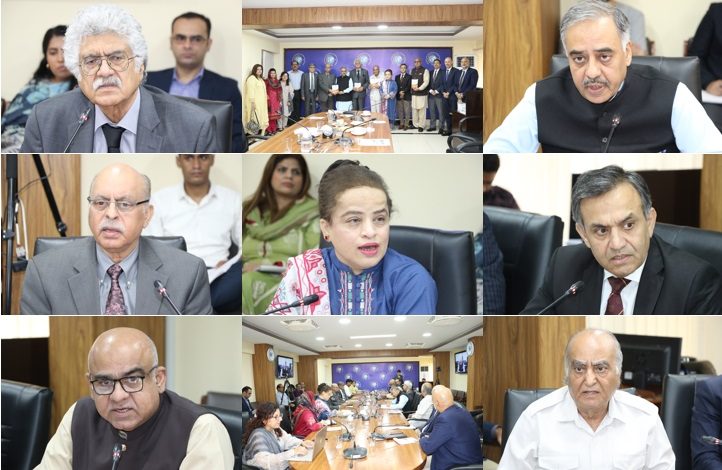
The Institute of Strategic Studies Islamabad’s Arms Control and Disarmament Centre launched a new Islamabad Paper by Ambassador Zamir Akram that critiques Western assessments of the recent India-Pakistan crisis. The paper, discussed by senior analysts and attended by academics, policymakers and practitioners, argues that many Western narratives echo India’s official line on terrorism, military engagements, restraint and a so-called “new normal,” and calls for a stronger, more coordinated Pakistani response to counter these biases.
The launch was opened by Director General ISSI Ambassador Sohail Mahmood, who said the conflict represented one of the most consequential recent events for Pakistan, India and the wider region. He warned that third-party analyses shape global perceptions and stressed the need for a clear Pakistani explanation of the crisis, its strategic consequences and future trajectory. He argued that India moved quickly to recast setbacks as triumphs and that structural factors, including close strategic ties between India and Western powers, helped align many Western assessments with India’s narrative.
Malik Qasim Mustafa, Director of the Arms Control and Disarmament Centre, summarized Ambassador Akram’s paper, which reviews selected Western think-tank and analyst reports across four themes: terrorism, military engagements, the question of restraint, and India’s purported “new normal.” The paper examines how these themes were treated in Western commentary during the intense period of fighting that nearly escalated into a wider war.
Dr. Naeem Ahmad Salik praised the publication for exposing the subjective nature of many Western commentaries. He attributed the tilt toward India in part to India’s investment in cultivating sympathetic networks of academics and analysts. He criticized Western reports for relying predominantly on Indian sources, overlooking Indian military losses and treating allegations of terrorism as presumptively linked to Pakistan, a tendency he said carries dangerous implications.
Dr. Asma Shakir Khawaja urged a concerted effort to “decolonize” Western-centric narratives, especially those that instrumentalize terrorism allegations against Pakistan. She called for greater forensic transparency through multilateral mechanisms such as the United Nations and for Pakistan to address data asymmetry with India so its perspective gains greater traction. Dr. Khawaja described Pakistan’s “Quid Pro Quo Plus” response as a new normal and urged the establishment of reliable crisis de-escalation mechanisms rather than leaving regional stability to extremist ideologies.
Ambassador Zamir Akram highlighted obstacles Pakistani analysts face in accessing Western academic and policy platforms and argued that a small number of Pakistani scholars who publish in those spaces often adopt pro-Western positions that undermine Pakistan’s case. He pointed to allied intelligence and policy frameworks that tend to align Western perspectives, marginalizing alternative views. As a practical remedy, he proposed greater collaboration among Pakistani think tanks and universities to publish domestically and more proactively project Pakistan’s point of view.
A lively question-and-answer session followed, with participants calling for stronger efforts to challenge biased Western narratives, invest in projecting Pakistani viewpoints within Western academic and research arenas, scrutinize the think-tank–corporate nexus that can work against Pakistan’s interests, and note growing doubts in some Western policy circles about India’s reliability as a strategic partner. Ambassador Khalid Mahmood, chairman of ISSI’s Board of Governors, closed by stressing that the battle of narratives is a central security challenge for Pakistan and must be met through coordinated and sustained efforts.