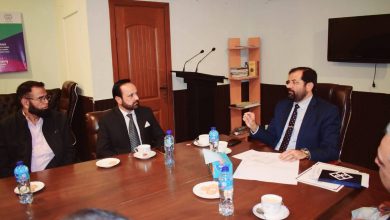
Pir Mehr Ali Shah Arid Agriculture University’s National Center of Industrial Biotechnology (NCIB) held the second Scientific and Industrial Advisory Board meeting to review progress, map future activities, and expand university-industry collaboration. The center also signed strategic memoranda of understanding with several private-sector partners to accelerate research, field trials, and commercialization of bioproducts.
The NCIB is a PSDP-funded initiative focused on establishing pilot-scale manufacturing of bioproducts using synthetic biology and metabolic engineering technologies. The SIAB meeting brought together academic and industry advisers to assess the project’s achievements and to set priorities for its next phase, with an emphasis on applied research and commercialization.
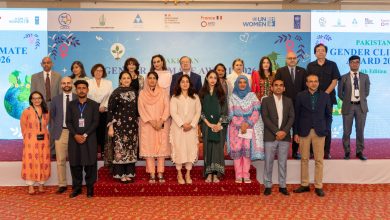
During the event, NCIB signed MoUs with Shimadzu & Wali Group, Biodyne, Orbit Seeds Pvt. Ltd., and Infinity Grow Pvt. Ltd. These agreements are intended to strengthen research and development links, enable field testing, and fast-track the transfer of NCIB-developed technologies to market.
Vice Chancellor Prof. Dr. Qamar uz Zaman praised the project team, project director, and the university’s planning and ORIC offices for their joint commitment, saying the NCIB reflects a concerted effort to advance applied research and build robust industry linkages to support Pakistan’s bio-economy and sustainable agricultural growth.
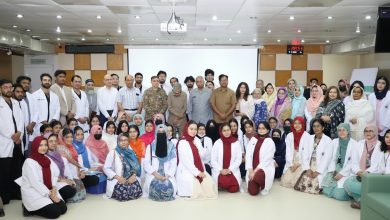
Technical Director Prof. Dr. Abida Raza presented the center’s roadmap and sustainability plan, outlining strategies for long-term industry partnerships, capacity-building through the NCIB Scientific Skill Development Program Initiative (SSDPI), and the provision of advanced analytical and technical services to academic institutions, industry partners, and farmers.
SIAB members commended NCIB’s vision and pledged continued support for its initiatives to enhance technology transfer and promote industrial biotechnology across Pakistan. The new collaborations and planned training programs are expected to accelerate the commercialization of innovations and strengthen links between research and agricultural practice.