
Dr. Waseem Ur Rahman Showcases New Hope for SMA Patients at Strive Foundation Conference

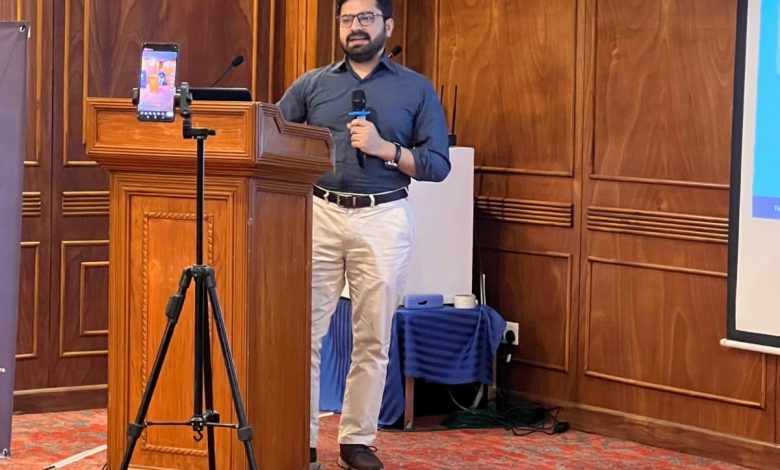
Dr. Waseem Ur Rahman, Associate Consultant in Pediatric Neurology at Shifa International Hospital, addressed the Strive Foundation national conference on Spinal Muscular Atrophy to outline recent progress in diagnosis, therapy and long term care for patients across Pakistan. He acknowledged earlier speakers and framed the discussion as a shift from limited options to real clinical hope for affected families.
Dr. Waseem described how genetic testing for SMA is now available locally, noting that Aga Khan University provides confirmatory testing with results typically in seven to ten days. He urged clinicians to recognise subtle early signs such as tongue fasciculations and hypotonia, and to refer suspected cases for timely genetic confirmation to improve outcomes.
On treatments, he reviewed the three major global options and their implications for Pakistani families. Nusinersen is delivered intrathecally and requires ongoing dosing, while Risdiplam is an oral therapy that upregulates the SMN2 gene to compensate for SMN1 deficiency. He highlighted the dramatic clinical changes seen since these therapies became available, emphasising that children with Type 1 SMA who once rarely reached infancy are now achieving milestones such as sitting independently. He also explained Zolgensma as a one time gene replacement therapy using a modified adeno virus, but warned that its multi million dollar cost places it out of reach for most patients in Pakistan.
Dr. Waseem credited patient support organisations for widening access to treatment, citing cases in which families who previously could not afford hospital fees are now on Risdiplam and thriving. He stressed that medication is only one component of care and that true improvement in quality of life depends on coordinated services around the child.
Holistic care, he explained, includes physical and occupational therapy, targeted nutritional support sometimes involving nasogastric feeding to build muscle strength, and respiratory interventions such as BiPAP and cough assist devices. These interventions, he said, must accompany pharmacological therapies to sustain progress and reduce complications.
During questions, Dr. Waseem outlined prenatal diagnostic options for families with a history of SMA, noting that chorionic villus sampling between the 10th and 12th week is offered at Aga Khan University with discounted pathways under welfare schemes for low income patients. He also pointed to the Genetic Resource Center in Rawalpindi as another local testing facility.
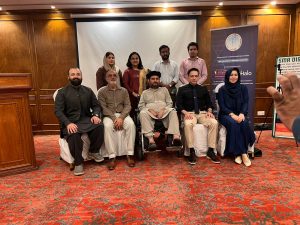
Addressing diagnostic challenges, he warned that SMA is frequently mislabelled as cerebral palsy. The key clinical distinction he offered is preserved cognitive alertness in SMA patients, who maintain eye contact, social smiling and babbling, unlike many children with cerebral palsy presentations.
Dr. Waseem highlighted systemic barriers in the public sector, where neurologists in some government hospitals may see up to 350 patients in a single outpatient session. Such heavy caseloads limit time for counselling and emotional support, undermining comprehensive care. He also noted that practical tools like SMA alert cards or sick day plans are uncommon in Pakistan despite their utility in other disorders.
His presentation was framed as a call to pair scientific advances with stronger support networks and health system reform so that SMA treatments and allied care can reach more families across Pakistan. The combination of genetic testing, targeted therapy and rehabilitative services, he said, offers a pathway from diagnosis to meaningful life changes for affected children.


