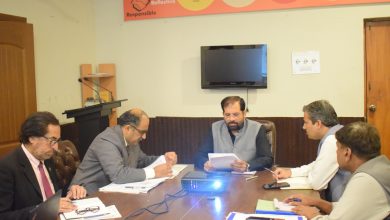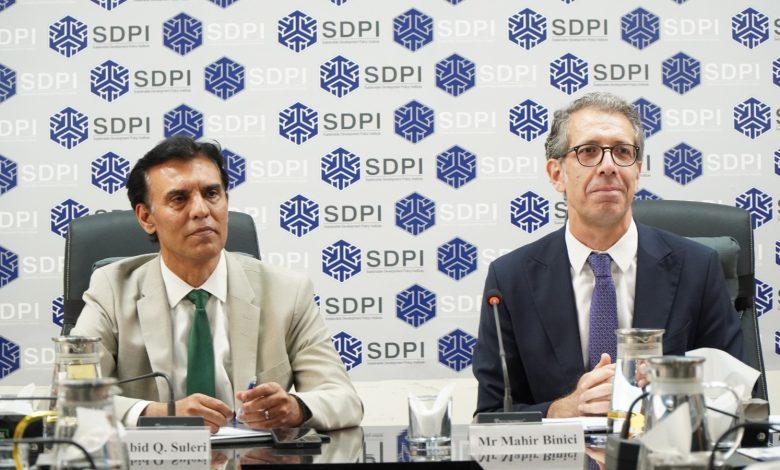
Dr Mahir Binici, the IMF Resident Representative in Pakistan, told an outreach session at the Sustainable Development Policy Institute that the Middle East conflict since February 28 has produced a sharp and multifaceted shock across the MENAP region, with concrete economic consequences for Pakistan.
The conflict has disrupted energy markets, trade routes near the Strait of Hormuz and global logistics, contributing to higher food and fertilizer prices and a marked slowdown in regional growth. Dr Binici warned these developments raise downside risks for growth, inflation and financial conditions across the region.
For oil-importing economies like Pakistan, the shock has intensified existing vulnerabilities through rising energy and food import bills, possible declines in remittances from Gulf-based workers and tighter financial conditions. These pressures, he noted, make macroeconomic stability harder to preserve without decisive policy action.
The IMF highlighted that a staff-level agreement on the third review under the Extended Fund Facility and the second review under the Resilience and Sustainability Facility was reached in March, while the next tranche remains subject to Executive Board review. To safeguard progress, the Fund urged a prudent fiscal stance, tight and data-driven monetary policy and continued implementation of Pakistan reforms to rebuild fiscal and external buffers.
Dr Binici recommended protecting vulnerable households through targeted and temporary measures rather than broad-based subsidies, and stressed the need to strengthen economic resilience over the medium term by diversifying trade routes, investing in critical infrastructure and enhancing regional cooperation.
SDPI Executive Director Dr Abid Qaiyum Suleri welcomed the IMF representative and echoed concerns about Pakistan’s limited preparedness for regional and global shocks. He urged a shift toward anticipatory social protection policies and pushed for energy sector reforms, including negotiation on capacity payments and greater reliance on renewable sources to reduce import vulnerability and support private sector-led inclusive growth.