Stakeholders in Pakistan’s renewable energy sector have urged the Engineering Development Board to reduce taxes on lithium battery cells to stimulate local production and wider adoption of green energy. In a formal letter to the EDB, the chairman of the Pakistan Renewable Energy Development Forum, Irfan Allahawala, called for a level playing field that encourages import substitution and attracts new investors to assemble and manufacture batteries domestically.
The letter highlights that cells used in lithium batteries face an effective tax rate of 50 percent, a burden that deters local assembly and keeps end prices high. High duties on battery components, the forum argues, are a major barrier to accelerating the transition from expensive conventional electricity sources to renewable solutions.
Industry representatives say rationalizing taxes and creating an enabling environment will enable local assemblers to scale production, facilitate technology transfer and reduce Pakistan’s reliance on imported petroleum products and LNG. Promoting local manufacturing of lithium batteries is presented as a practical step to make renewable systems more affordable across domestic and commercial sectors.
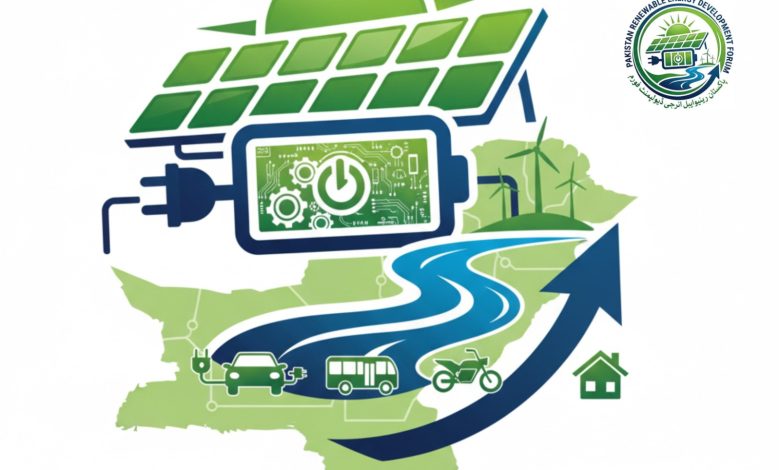
Greater availability of cost-effective lithium batteries would support electrification across two- and four-wheel vehicles, buses and commercial fleets as well as household and industrial storage, helping to lower the country’s import bill. The move is also expected to draw investment into local supply chains and spur job creation in related manufacturing and assembly operations.
To put demand in perspective, Pakistan imported roughly 26,000 MW of solar panels between 2022 and 2024, all of which require energy storage solutions. Lithium-ion battery imports reached 1.25 GWh in 2024 and are projected to rise to between 2.5 and 3 GWh in 2025, underscoring the urgency of domestic capacity building. Making lithium batteries affordable is seen as a measure to ease energy-led inflation and strengthen investor confidence in local markets.
PREDF and other stakeholders have urged the EDB to act swiftly to reduce duties on battery cells, arguing that tax relief and targeted support would accelerate Pakistan’s energy transition, lower consumer costs and enable a competitive local industry for lithium batteries.