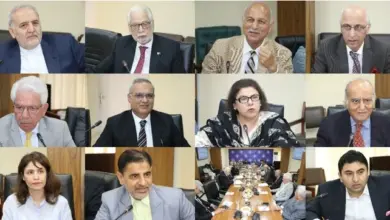
The Senate Standing Committee on Railways has voiced serious concerns over ongoing delays in the Karachi Circular Railway (KCR) project, warning that further inaction could jeopardize a key urban transport solution for Karachi. The committee emphasized the need for urgent progress, highlighting that the project is crucial to addressing the city’s growing public transport needs.
During a session in Karachi chaired by Senator Jam Saifullah Khan Dharejo, committee members reviewed updates on the KCR project, which covers a 43.13 kilometer route and was included in the China-Pakistan Economic Corridor (CPEC) initiative in 2016. Despite receiving approval for USD 1.97 billion in funding by the Executive Committee of the National Economic Council (ECNEC) in 2017, the project remains stalled. Officials reported that a revised feasibility study submitted by the Sindh Government in April 2023 is still awaiting approval from Chinese authorities. A major obstacle has been the unresolved transfer of right-of-way (ROW) from Pakistan Railways to the Sindh Government, which has led to mounting costs.
The Project Director highlighted the need for federal assistance in finalizing the framework agreement, while the Secretary of Railways clarified that transferring land is contingent on completing feasibility studies, environmental clearances, and transparent contractor selection. The Ministry of Railways has promised full cooperation once these conditions are satisfied.
Nevertheless, the committee criticized the lack of proactive action by both the KCR team and the Sindh Government in meeting these prerequisites. Stressing the urgent benefits of a functional KCR system for Karachi’s citizens, the committee called for the immediate removal of all remaining hurdles to completion. Committee Chairman Jam Saifullah Khan Dharejo assured the committee’s support, but also underlined that the primary obligation to fulfill legal, technical, and procedural requirements rests with the provincial government.
To ensure financial transparency, the committee directed that a detailed cost breakdown be submitted, including per-kilometer construction expenses and segment-wise estimates. Given the project’s high cost, members recommended a review of the entire financial model and, if necessary, a fresh feasibility study to guarantee value for money.
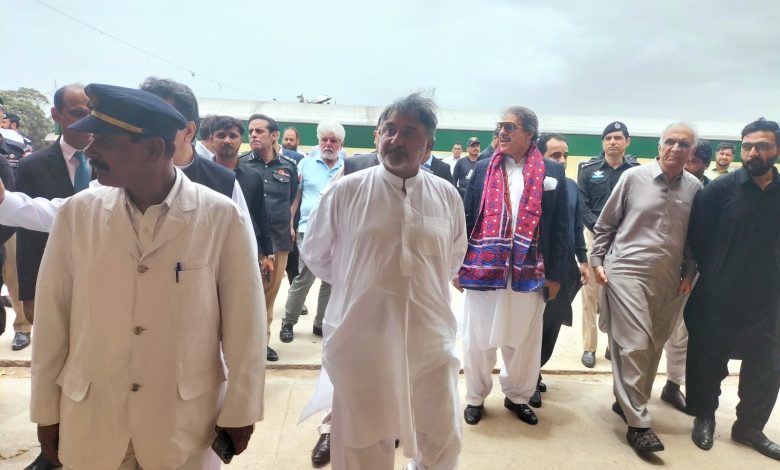
During a field inspection from Karachi Main Station to Wazir Mansion, committee members confirmed the slow pace of construction first-hand and stressed the urgent need for a modern mass transit solution to tackle the city’s escalating traffic congestion and population growth.
Beyond the KCR, the committee was also briefed on other ongoing railway projects. Members commended the performance of Pakistan Railways under Secretary Mazhar Ali Shah and praised railway staff working in Balochistan for their dedication under challenging security conditions.
The committee concluded by reaffirming its commitment to advancing the KCR project and insisted that all stakeholders, particularly the Government of Sindh, must treat its completion as a top priority. The committee underscored that the success of the KCR is essential not only for Karachi but as a national priority for Pakistan’s transportation infrastructure.