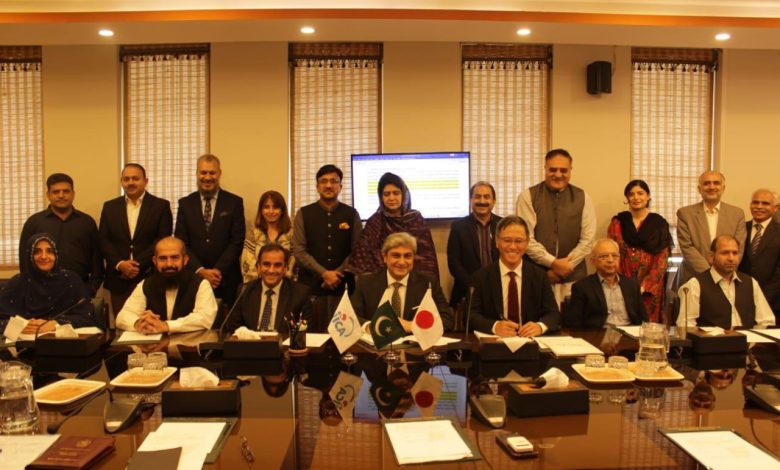
The Government of Pakistan has partnered with the Japan International Cooperation Agency (JICA) to launch the third phase of the Advancing Quality Alternative Learning (AQAL3) program, a major initiative aimed at supporting out-of-school children across the country. The new agreement demonstrates a renewed commitment from both sides to strengthen non-formal education and expand learning opportunities in every province and region of Pakistan.
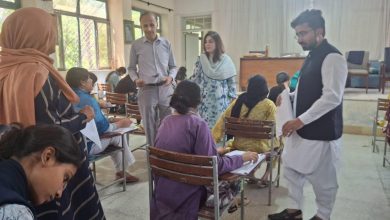
The AQAL3 program focuses on scaling up accelerated learning programmes (ALP) at the primary and middle school levels, with an emphasis on both traditional literacy and technical skills. A significant addition in this phase is the introduction of ALP Matric-Tech, an alternative secondary-level education pathway that integrates academic studies with practical skills, enabling students to equip themselves for both further education and employment.
A key feature of AQAL3 is the use of digital technology, which will be integrated into ALP models to broaden access and improve the quality of education for students who cannot participate in the mainstream school system. The program will also update and implement non-formal education policies and strategic plans at the provincial and area levels, ensuring a more effective and coordinated approach nationwide.
During the launch ceremony, representatives from JICA and Pakistani educational departments highlighted the urgent need to address the plight of out-of-school children. Mr. Naoaki Miata, Chief Representative of JICA Pakistan, underlined the importance of investing in non-formal education, calling it crucial to reaching children who have been left out of the traditional system. Mr. Nadeem Mahbub, Secretary of the Ministry of Federal Education and Professional Training, expressed appreciation for JICA’s longstanding support in helping transform education in Pakistan.
With this expanded partnership, AQAL3 aims to build on previous successes and make significant progress toward inclusive, quality education—particularly for the millions of Pakistani children who remain out of school.