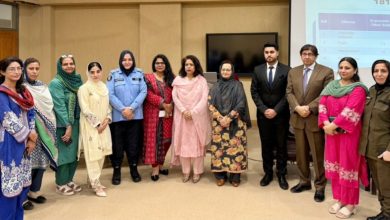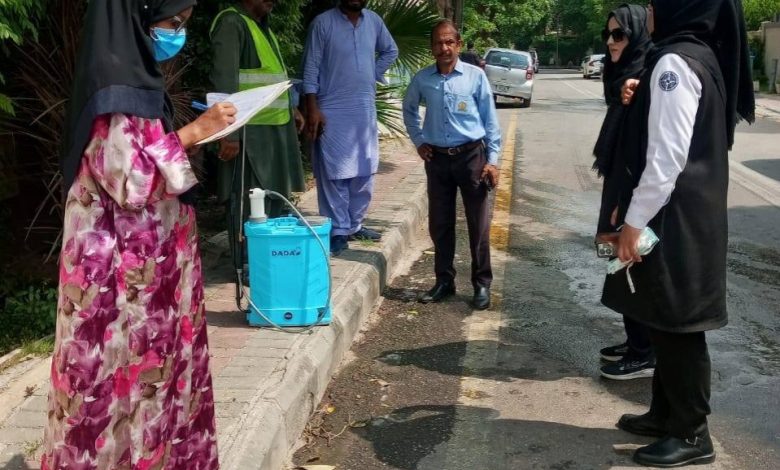
After recent rains, standing water has increased mosquito breeding and raised the risk of dengue transmission in Islamabad. The District Health Office, working with the Ministry of Health, is carrying out intensified dengue sweep operations in high-risk neighborhoods and across the city. Field teams are conducting house-to-house surveillance, larval destruction, spraying and fogging, and public awareness campaigns while urging residents to adopt preventive measures.
Mosquitoes that breed in stagnant water proliferate quickly after rainfall, creating favorable conditions for the spread of dengue. Health authorities warn that even small collections of water around homes can serve as breeding sites and increase the chance of outbreaks if not addressed promptly.
The District Health Office Islamabad, in collaboration with the Ministry of Health, has deployed teams to target high-risk areas and perform citywide control activities. These teams visit households to monitor for breeding sites, eliminate larvae, and carry out insecticide spraying and fogging where needed. Community outreach and awareness efforts are being intensified to inform residents about risks and prevention methods.
Residents are advised to take simple but effective precautions to reduce mosquito breeding and avoid bites. Clean water containers, storage tanks, plant pots and coolers daily to remove standing water. Wear long-sleeved clothing when outdoors and use insecticide sprays or topical repellents as appropriate. Use mosquito nets while sleeping and install screens on windows and doors to keep mosquitoes out.
Dengue prevention depends on community action—by eliminating breeding sites and protecting against bites, residents can significantly reduce the risk of infection and help keep their neighborhoods safe.