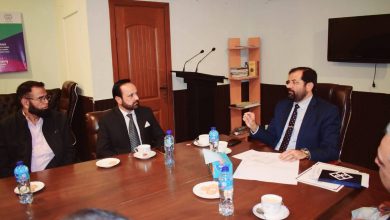
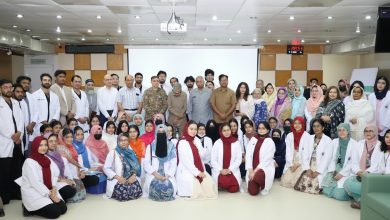
Experts and digital rights advocates at a Sustainable Development Policy Institute seminar in Islamabad urged swift reform of Pakistan’s cyber-governance and the rollout of One Stop Crisis Centers to address the sharp rise in technology-facilitated violence against women and girls. The panel underlined that cybercrime complaints climbed to a record 171,000 in 2025, up from 102,000 five years earlier, creating urgent demand for accessible support services and specialised investigation units across the country.
Dr Razia Safdar, SDPI’s Senior Policy Advisor, warned that rapid digital adoption without safety measures has opened a new frontier of violence, citing global studies that show 67 percent of women face online misinformation and 66 percent encounter cyber harassment. She cautioned that AI-driven harms such as deepfakes produce lasting emotional and reputational damage, reinforcing the need for practical support at the point of crisis, which is the rationale for Crisis Centers that combine legal, medical and psychosocial services.
Fahmida Khan of UN Women Pakistan recounted how her own photograph was misused online, stressing that if a public professional can be targeted so easily the consequences for women in rural areas are catastrophic. She highlighted that non-consensual deepfake pornography overwhelmingly targets women and that cultural stigma and weak policy responses silence many survivors.
Dr Syed Kaleem Imam, former Inspector General of Police and SDPI visiting fellow, said Islamabad’s facilitation centres are a start but the country lacks gender-sensitive interviewing units and trauma-informed investigators. He rejected the notion that online crime is untraceable, emphasising that every digital act leaves forensic footprints but law enforcement needs specialised training to pursue those leads while supporting survivors empathetically.
Muhammad Akram Mughal of the National Cyber Crime Investigation unit described the strain on resources, noting investigators in Pakistan handle more than 400 cases each compared with an international benchmark of 10 cases per officer. Despite a heavy caseload and a conviction rate of just 3.7 percent, awareness work — including more than 250 university seminars — has helped reduce certain incidents by about 30 percent, he said.
Naghmana Hashmi from the Federal Ombudsperson Secretariat warned of the economic cost, estimating nearly 15 percent of professional women leave jobs due to online harassment. She argued that Pakistan cannot sustain productivity or inclusive growth while large numbers of women feel unsafe online, making Crisis Centers and workplace protections vital to retaining female professionals.
Usman Zafar of the UNDP drew attention to the use of gendered propaganda and malinformation to intimidate women in public life, noting private content shared with malicious intent increasingly targets activists and journalists. Panelists called for a multi-pronged national response: enact a comprehensive legal framework for TFVAW, adopt the Thailand-style One Stop Crisis Centers that provide immediate legal, medical and psychological care without requiring an FIR, add digital citizenship and privacy management into school curricula, and hold tech companies to human rights standards within Pakistan.
Speakers agreed that Crisis Centers should be rolled out nationally alongside specialised training for investigators, public awareness campaigns and regulatory measures for platforms so survivors can access timely support while evidence is preserved and perpetrators are pursued. The proposed strategy aims to make Pakistan’s digital spaces safer for women and to limit the social and economic harms linked to online gendered violence.