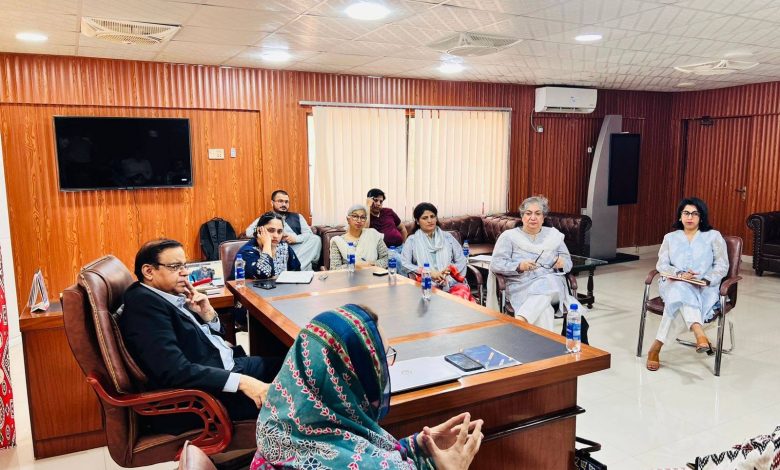
Government and child-rights bodies convened a roundtable in Karachi to address gaps in implementing the Sindh Child Marriage Restraint Act 2013 and to identify measures to strengthen protection for children. Participants called for clearer rules, better coordination, enhanced police capacity and community mobilisation to stop underage marriages and improve support for victims.
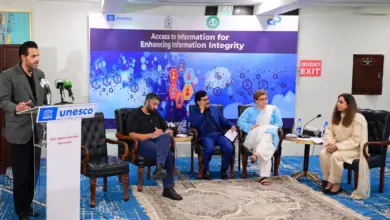
The meeting was organised by the National Commission on the Status of Women and the Sindh Child Protection Authority and brought together representatives from the Sindh Police, the Legal Aid Society, UNFPA Pakistan and the Sindh Child Protection Authority. The discussion focused on practical steps to improve enforcement and close implementation gaps in the province’s child marriage law.
Participants highlighted several systemic concerns that hinder effective implementation. They pointed to missing or unclear rules and weak coordination between agencies as major obstacles. Despite a significant number of reported cases in recent months, conviction rates remain low, underlining problems in investigation, prosecution and case management.
Stakeholders also raised the limited availability of psychosocial support for child survivors and shortcomings in law enforcement response. The persistent role of Nikah Khawans, or marriage officiants, in facilitating underage marriages was flagged as a key driver of ongoing violations, underscoring the need for targeted outreach and accountability measures.
The roundtable acknowledged some positive developments, including the provision of free child birth registration services, which can help establish ages and prevent fraudulent documentation in marriage cases. Participants also noted the potential to leverage the outreach networks used by polio vaccination programmes to raise awareness about the harms and illegality of child marriage.
Delegates stressed that while Sindh’s legislation is progressive on paper, urgent action is needed to notify the necessary rules, build the capacity of police and investigating officers, and mobilise communities so that the law delivers meaningful protection for children. They called for coordinated, multi‑sectoral efforts to strengthen prevention, enforcement and survivor support.